User Flow Architectures Linking Gaming Portals with Browser Blackjack Practice Environments
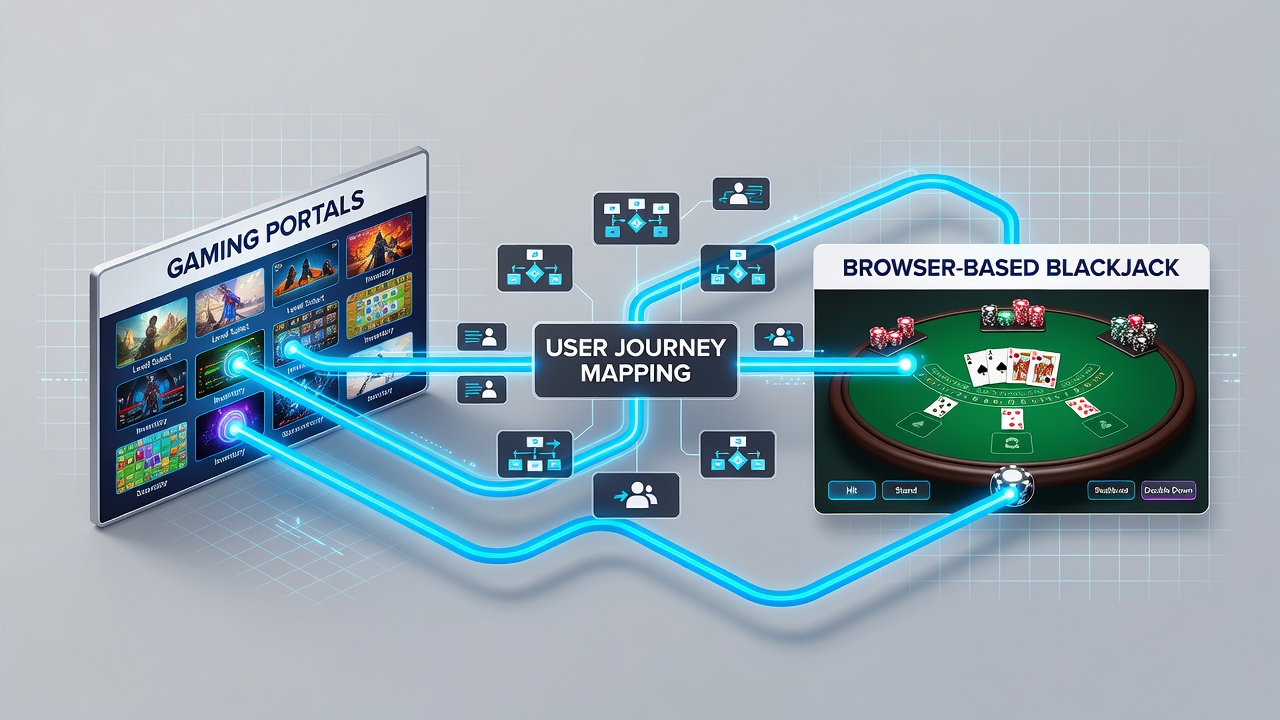
Technical teams at major gaming operators have developed detailed maps of user journeys that begin at multi-platform portals and end at browser-based blackjack practice zones, with these systems relying on layered routing protocols that track entry points, session data, and device compatibility. Data from industry monitoring shows that portal architectures often incorporate API calls to redirect traffic toward demo modules while preserving user preferences across desktop and mobile sessions, and such mappings have gained attention as operators refine access in response to evolving browser standards through June 2026.
Core Components of Journey Mapping
Engineers construct these maps by logging initial touchpoints such as homepage banners, search integrations, and affiliate embeds, then tracing how each leads into backend decision trees that evaluate user location, device type, and prior interaction history before serving a practice interface. Researchers at several universities have documented how cookie persistence and local storage elements maintain continuity during transitions, while JavaScript frameworks handle real-time adjustments to load times and visual rendering for blackjack tables that appear without requiring account creation.
Portal operators segment traffic into categories that include direct visits, referral streams, and organic discovery, with each category triggering distinct routing rules that prioritize low-friction entry to practice zones. Observers note that these rules frequently incorporate A/B testing layers to measure completion rates from landing page to active demo play, and aggregated results help teams adjust redirect logic without disrupting overall site performance.
Backend Routing Mechanisms
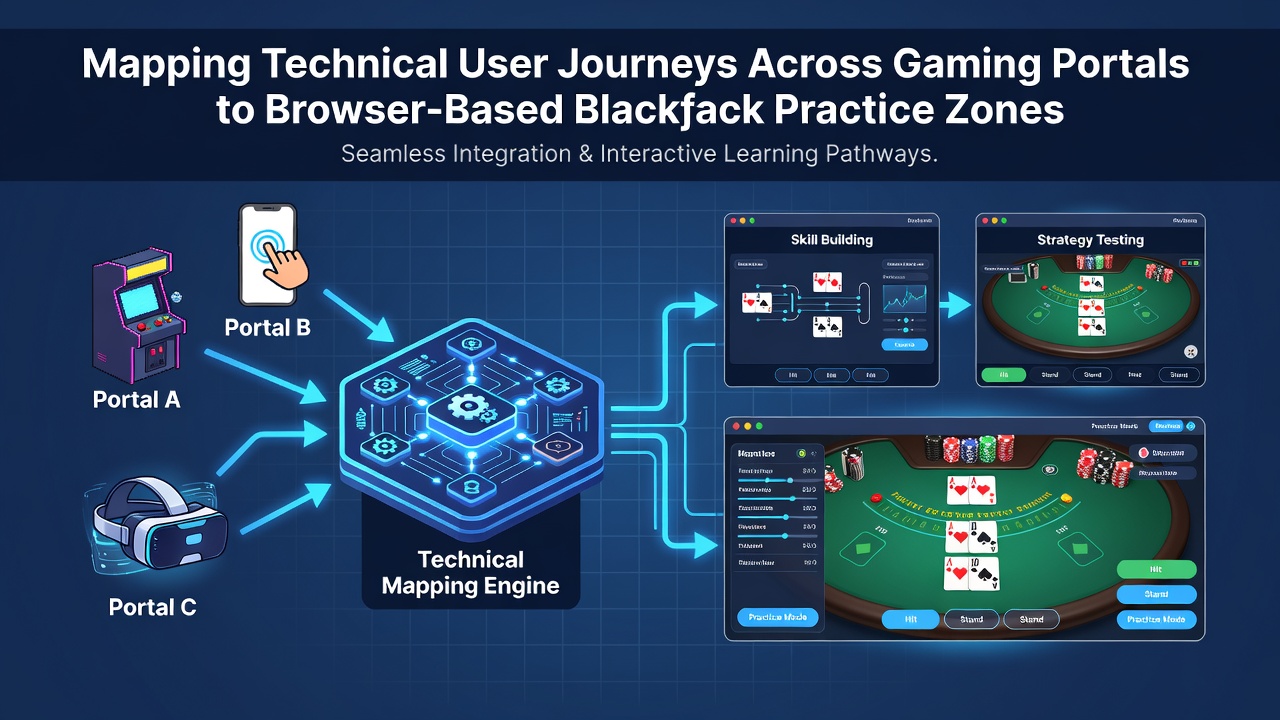
At the server level, algorithms evaluate incoming requests against databases that store regional compliance flags and browser capability profiles, then execute conditional redirects that point eligible users toward dedicated practice environments hosted on separate subdomains. These mechanisms often employ load balancers to distribute demo sessions across multiple content delivery networks, which reduces latency during peak hours when traffic from various gaming portals spikes simultaneously.
Studies from academic institutions in North America and Europe have examined how session tokens carry forward contextual information such as preferred table limits or card deck styles, allowing the practice zone to initialize with customized settings that match the originating portal's user interface conventions. Data indicates that such continuity features contribute to higher retention within demo environments, particularly when users arrive via mobile apps that hand off to browser sessions.
Integration with External Discovery Channels
Gaming portals frequently embed tracking pixels and referral parameters that feed into centralized analytics platforms, enabling operators to reconstruct full journey timelines from initial discovery through final practice session initiation. Industry reports compiled by organizations such as the Canadian Radio-television and Telecommunications Commission have highlighted patterns in cross-site navigation that inform regulatory discussions on transparency in digital gaming interfaces.
One documented case involved a network of regional portals that synchronized their redirect protocols with a shared practice platform, resulting in streamlined flows where users encountered consistent navigation elements regardless of entry portal. Technical documentation from that implementation showed reduced bounce rates during the handoff phase, achieved through unified styling and preloaded asset libraries that activate as soon as the browser detects the target domain.
Device and Browser Considerations
Mapping efforts must account for variations across operating systems and browser versions, since certain WebGL and canvas rendering requirements for blackjack simulations demand specific hardware acceleration settings that older devices may lack. Teams address these differences by maintaining fallback rendering paths that preserve core gameplay functionality while degrading advanced visual effects, and telemetry collected during June 2026 updates revealed ongoing refinements to these fallback triggers based on real-world device distribution data.
Security layers integrated into the journey include token validation at each redirect step to prevent unauthorized access attempts, alongside content security policies that restrict external script injection during transitions between portals and practice zones. Those who manage these systems report that maintaining audit logs of every routing decision supports both performance optimization and compliance verification processes required by multiple jurisdictions.
Conclusion
Technical user journey mapping continues to evolve as gaming portals adopt more sophisticated integration methods with browser-based blackjack practice zones, driven by data on session completion, device compatibility, and regulatory alignment. The architectures described rely on coordinated backend processes that prioritize efficient, secure transitions while preserving user context across platforms, and ongoing monitoring through mid-2026 suggests further standardization of these routing patterns across the sector.