Server-Side Architectures Powering Instant Blackjack Demo Access Across Digital Gaming Networks
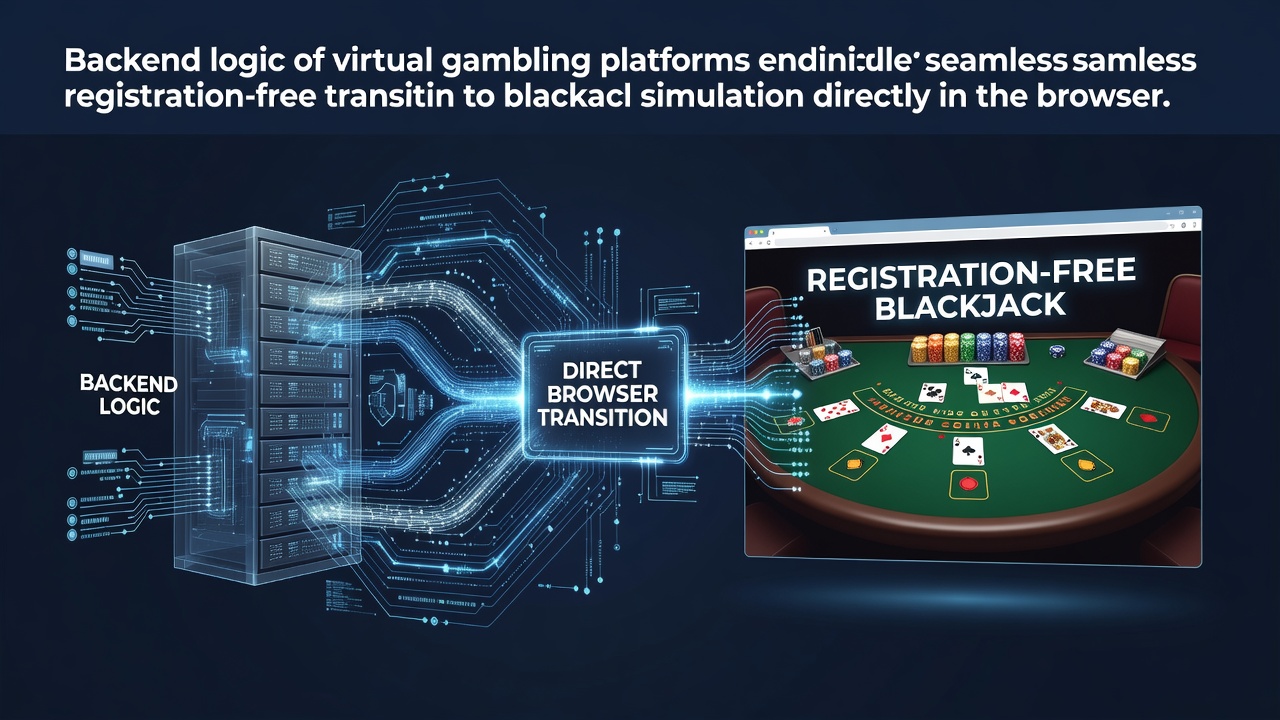
Virtual gambling platforms rely on intricate backend systems that manage direct browser transitions to registration-free blackjack simulations, and these mechanisms operate through coordinated layers of server logic that detect incoming requests, generate temporary session tokens, and load simulation environments without requiring user accounts. Observers note that such architectures prioritize stateless processing where possible, allowing quick handoffs from landing pages to interactive card interfaces while maintaining compliance with regional gaming standards. Data from industry reports shows that many platforms process these transitions in under two seconds by leveraging cached assets and predefined simulation scripts stored on content delivery networks.
Key Elements in Request Handling and Token Generation
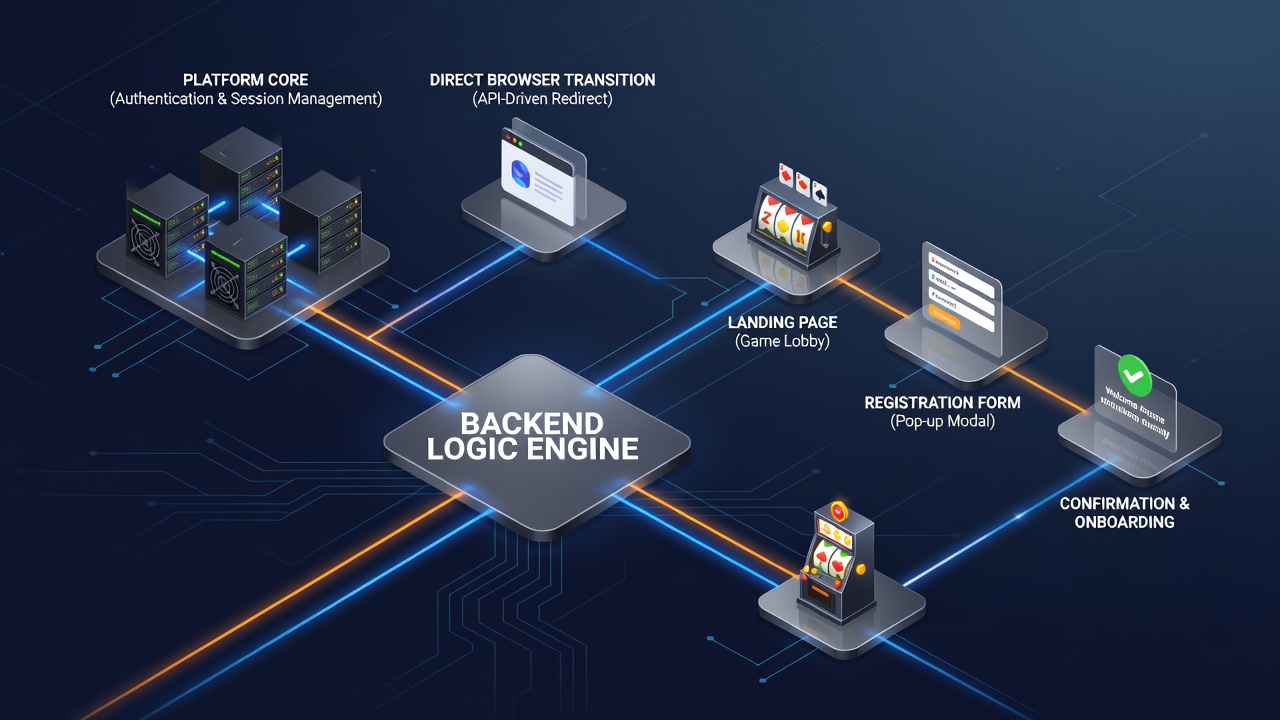
Backend servers evaluate HTTP headers and referrer data upon each initial visit, then apply conditional routing rules that distinguish between promotional demo paths and full account flows, and this evaluation happens before any persistent data storage occurs. Researchers have documented how platforms assign ephemeral identifiers through browser cookies or URL parameters, which persist only for the duration of the session and get discarded upon browser closure or inactivity timeouts. According to technical analyses from the American Gaming Association, these token systems reduce server load by avoiding database writes until users opt into registered play. In July 2026, several operators updated their routing scripts to incorporate enhanced fingerprinting checks that further separate demo traffic from potential regulatory reporting requirements.
Simulation Engine Integration and Asset Delivery
Once a session token activates, the backend triggers calls to dedicated simulation modules that mirror core blackjack rules without connecting to live random number generators reserved for real-money tables, and these modules pull from pre-seeded decks or algorithmic shufflers configured for practice outcomes. Engineers configure content delivery networks to push JavaScript bundles and image sprites directly to the browser cache, which enables the interface to render immediately while the server confirms session validity in parallel. Those who've examined platform logs report that asset preloading routines often complete before the first user click registers, creating the perception of seamless entry. What's interesting is how error-handling routines redirect failed demo loads back to static fallback pages without disrupting overall site navigation.
Data Flow Patterns Observed in Production Environments
Production systems route demo requests through dedicated API endpoints separate from account management services, and this separation prevents demo activity from triggering identity verification workflows or financial ledgers. Studies from academic sources including the University of Nevada, Reno gaming research center indicate that such isolation supports higher concurrent user volumes during peak hours. Backend services log minimal metadata for demo sessions, typically limited to geographic origin and device type, which aligns with data minimization practices across multiple jurisdictions. Observers note that July 2026 saw increased adoption of edge computing nodes positioned closer to user clusters, further shortening latency for these registration-free pathways.
Security and Compliance Considerations in Demo Routing
Security layers validate that incoming traffic originates from approved domains before executing simulation code, while rate-limiting rules cap repeated demo starts from single IP ranges to discourage automated scraping attempts. Compliance modules cross-reference regional rulesets stored in configuration files, ensuring that certain jurisdictions receive modified simulation parameters or blocked access entirely. Platform operators maintain audit trails of these routing decisions through immutable logs that regulators can review during scheduled inspections. Those studying system architectures report that backend services often employ containerized microservices for each functional segment, allowing independent scaling of demo traffic without impacting core wagering engines.
Future Trends in Platform Scalability
Scalability improvements continue through adoption of serverless functions that spin up only when demo requests arrive, and this approach minimizes idle resource costs during low-traffic periods. Integration with modern browser APIs enables persistent state across page reloads within the same demo session, reducing the need for repeated backend pings. Data indicates that platforms testing these patterns in 2026 achieved measurable reductions in bounce rates for entry-level users. Experts have observed that continued refinement of these backend pathways supports broader accessibility goals while preserving separation between practice environments and monetized features.
Conclusion
Backend architectures that enable direct browser transitions to registration-free blackjack simulations rely on layered request evaluation, ephemeral session handling, and isolated simulation engines that together create efficient, compliant pathways for users. Technical documentation and production data confirm that these systems balance speed with regulatory adherence across diverse operating environments. Continued evolution in edge processing and microservice design points toward even tighter integration between landing experiences and demo interfaces in coming periods.