Server-Side Architectures Guiding Users Through Casino Platforms to Unrestricted Blackjack Demo Modules
Elena Powell · Aug 24, 2026
Server-Side Architectures Guiding Users Through Casino Platforms to Unrestricted Blackjack Demo Modules
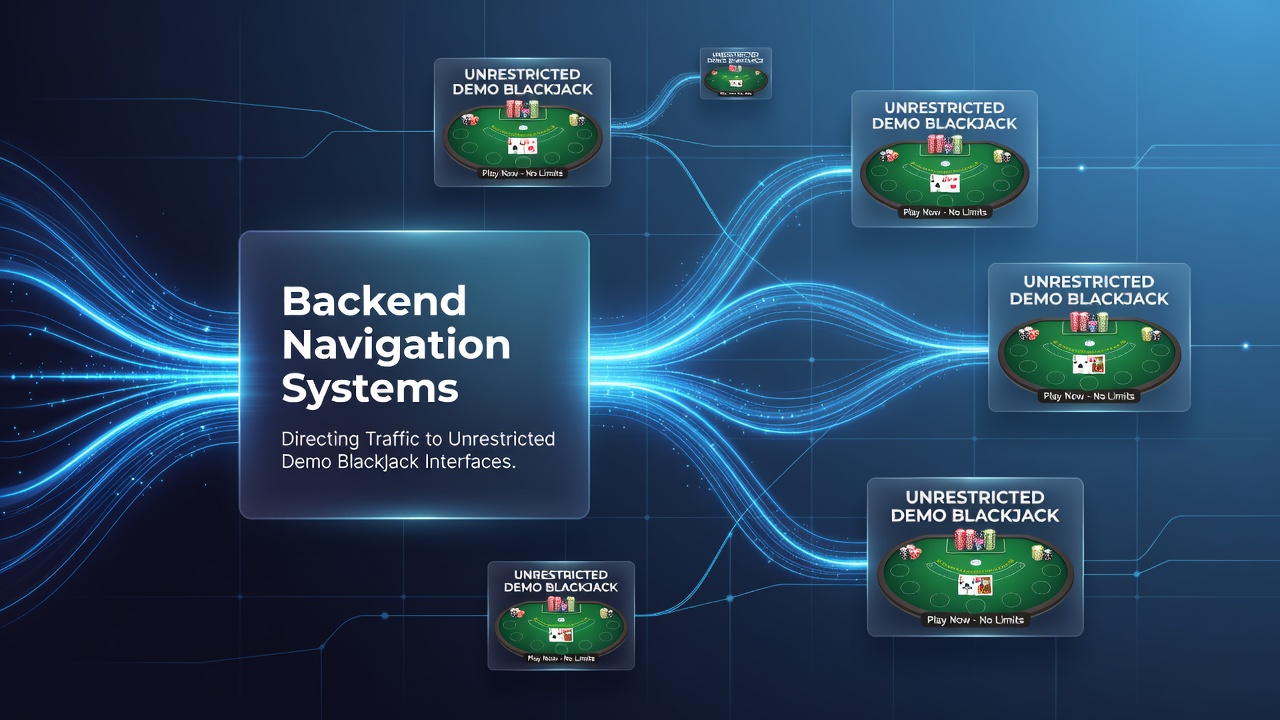
Online casino platforms rely on layered backend navigation systems that process user requests and direct traffic toward unrestricted demo blackjack interfaces without requiring account creation or deposits, and these mechanisms operate through a combination of server-side routing logic and database queries that match session parameters to available game modes. Data from industry reports shows that such systems handle millions of daily interactions by evaluating cookies, IP geolocation, and device fingerprints to determine whether a visitor qualifies for instant access to practice environments.
Core Components of Backend Routing Logic
Developers implement modular routing engines that separate production gaming servers from demo modules, while configuration files define rules for traffic allocation based on user behavior patterns and regional compliance settings. Observers note that these engines often integrate with content delivery networks to reduce latency when redirecting requests to browser-based blackjack simulations that feature full rule sets but operate on randomized number generators isolated from real-money pools. According to records maintained by the New Jersey Division of Gaming Enforcement, platforms licensed in that jurisdiction must maintain clear separation between demo and live play to meet technical standards updated through mid-2026.
Database schemas store metadata about each blackjack variant including deck counts, payout structures, and interface restrictions, and backend scripts query these tables within milliseconds to assemble personalized navigation paths. When a user lands on a casino homepage, the system evaluates referrer data and prior session history before issuing a redirect that bypasses registration walls and lands directly on the unrestricted demo table.
Traffic Direction Mechanisms and Session Management
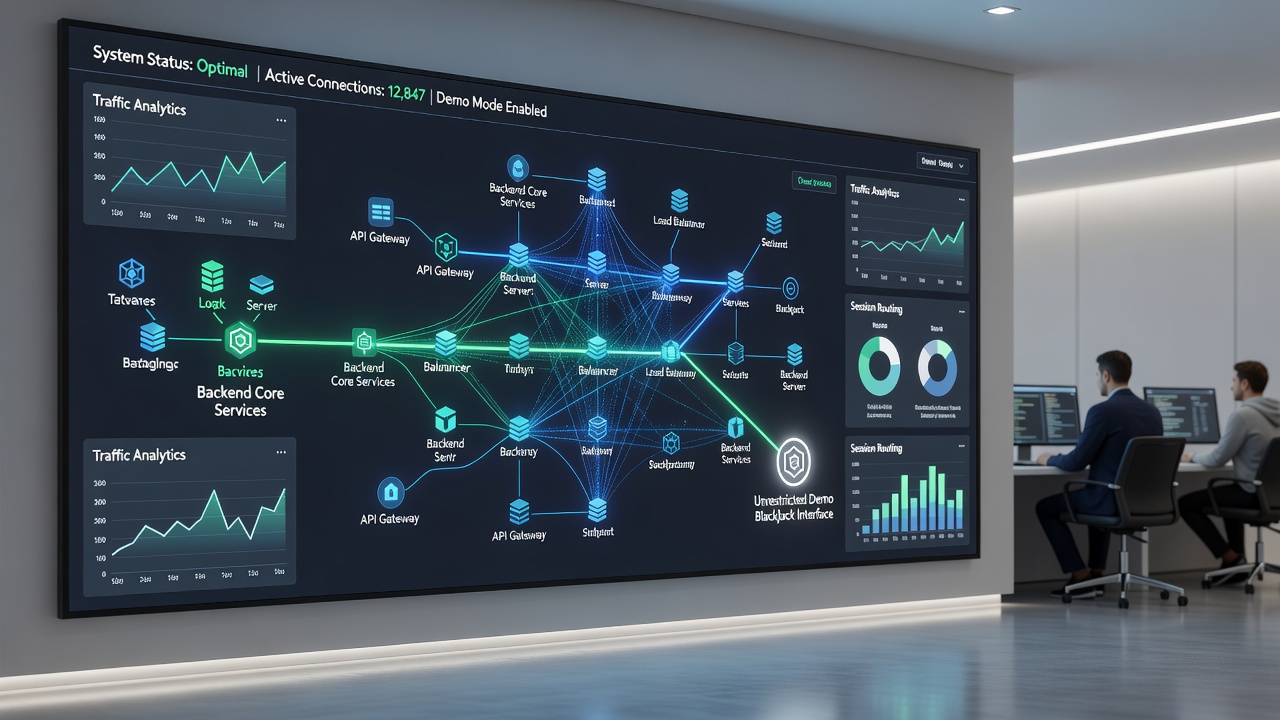
Session tokens generated at the entry point carry flags that indicate demo eligibility, and load balancers distribute these requests across clusters dedicated to non-monetary gameplay. Researchers at academic institutions studying digital gaming infrastructure have documented how API endpoints handle authentication bypass for practice modes while still enforcing responsible gaming prompts that appear after extended demo sessions. In August 2026 several operators adjusted their routing parameters to align with evolving multi-state compact agreements that clarify demo access across borders.
Those who examine server logs frequently observe patterns where geographic restrictions trigger alternative pathways that still reach unrestricted interfaces through mirrored demo servers hosted in compliant jurisdictions. The process involves conditional statements that check user location against allow lists before executing the final redirect command.
Integration with Compliance and Analytics Layers
Analytics platforms attached to these backend systems track conversion rates from homepage entry to demo play initiation, and operators use aggregated figures to refine routing weights without exposing personal data. Reports issued by the Malta Gaming Authority highlight technical audits that verify demo blackjack environments remain free of financial transaction hooks even when users arrive through complex navigation chains. External links to such regulatory documentation appear in platform transparency pages that list current routing policies.
Security protocols encrypt the redirect payloads to prevent interception, while rate-limiting features protect demo servers from automated traffic spikes. Industry associations such as the European Gaming and Betting Association have published guidelines that encourage consistent backend practices across member platforms operating in multiple European markets.
Future Developments in Navigation Efficiency
Engineers continue to test machine learning models that predict optimal entry points for demo blackjack based on historical navigation success rates, and early deployments in 2026 demonstrate reduced bounce rates when users encounter fewer intermediate screens. These models analyze clickstream data in real time and adjust redirect priorities accordingly. Academic papers from institutions examining online entertainment systems provide frameworks for measuring the performance of such predictive routing without compromising user privacy standards.
Platform updates scheduled for later quarters will incorporate additional verification layers that still preserve instant access for eligible visitors, and testing environments already simulate traffic loads projected for peak periods in upcoming months.
Conclusion
Backend navigation systems in online casinos form an essential infrastructure layer that manages traffic flow to unrestricted demo blackjack interfaces through coordinated routing, session management, and compliance checks. Data from regulatory bodies and research sources indicates steady refinement of these architectures as operators respond to technical and jurisdictional requirements through 2026 and beyond. The mechanisms described operate continuously behind user-facing designs to maintain efficient, rule-compliant pathways.