Network Routing Architectures Supporting Instant Access to Blackjack Practice Modes in Digital Casinos

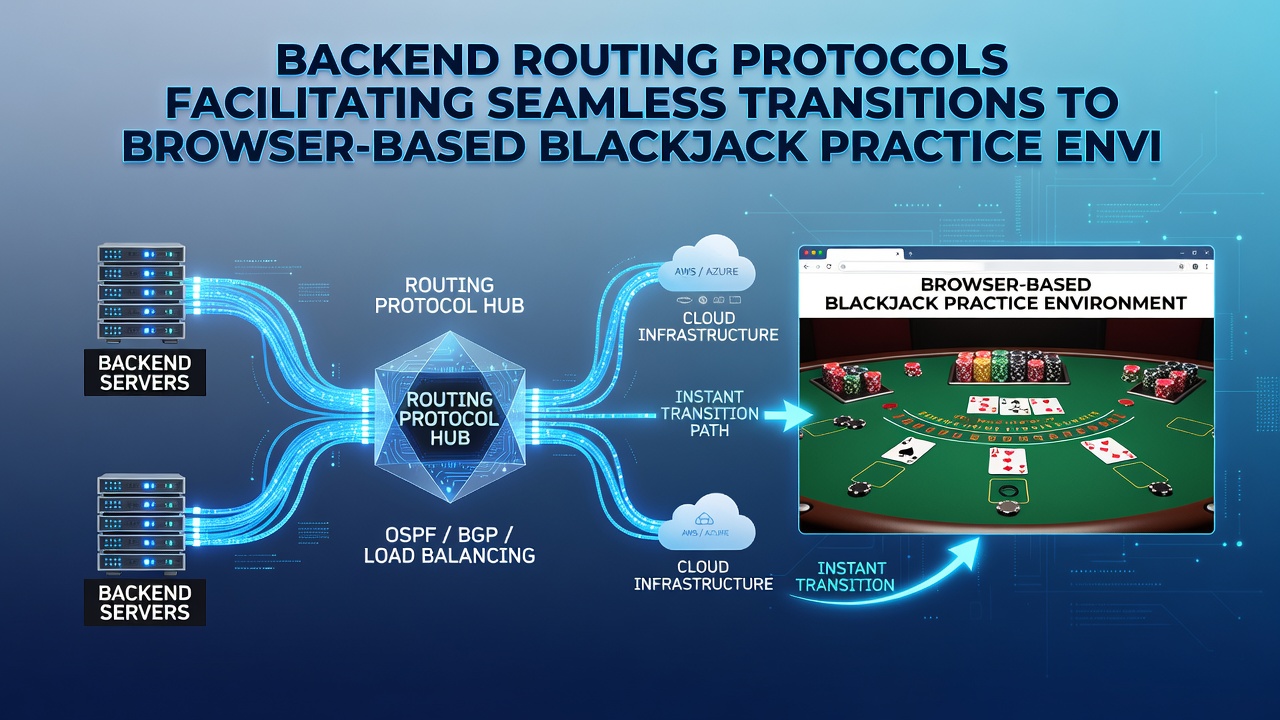
Backend routing protocols play a central role in online gaming networks by directing user requests from initial browser interactions to dedicated practice environments for blackjack, and these systems rely on established networking standards that manage traffic flow without interruption. Observers note that such protocols handle authentication checks, session initialization, and resource allocation in coordinated sequences while maintaining low latency across distributed servers.
Core Components of Routing Systems
Load balancers integrated with protocols like HTTP/2 and WebSocket connections distribute incoming traffic to available nodes that host demo versions of card games, and this setup allows seamless handoffs when users select practice options from main interfaces. Researchers have documented how edge computing nodes positioned closer to end users reduce round-trip times during these transitions, particularly in regions with high concentrations of gaming activity throughout 2025 and into June 2026.
Database query optimizers work alongside routing layers to verify user eligibility for unrestricted demo play, pulling from cached session data rather than full backend lookups each time, and this approach minimizes delays that might otherwise disrupt the flow from homepage navigation to active blackjack tables. Industry reports indicate that operators in North America and Europe have adopted similar layered architectures to support growing volumes of browser-based sessions.
Protocol Integration and Data Flow
Secure routing often incorporates elements from transport layer security combined with application-level gateways that inspect request headers for game mode preferences, routing accordingly to isolated practice clusters separate from real-money servers. Data from monitoring tools shows consistent uptime metrics above 99.5 percent in networks employing redundant path algorithms, which automatically reroute traffic during peak periods or maintenance windows.
One documented implementation involves API gateways that translate user selections into backend calls using RESTful endpoints, triggering containerized instances of blackjack simulators within milliseconds, and these instances scale horizontally based on concurrent connection counts tracked in real time. Academic studies on distributed systems highlight parallels between gaming routing and other high-availability web services where failover mechanisms prevent session drops.
Regional Developments and Standards
Regulatory frameworks in Australia and Canada emphasize secure data handling within these routing setups, requiring encryption standards that align with broader digital services guidelines, and compliance reports from mid-2026 reference updated testing protocols for session integrity during transitions to practice modes. Gaming associations have compiled case examples where operators upgraded from basic round-robin routing to more sophisticated weighted algorithms that prioritize low-latency paths for users in remote locations.
Software updates rolled out across multiple platforms in early 2026 incorporated machine learning elements to predict traffic spikes and pre-allocate routing resources for blackjack demo environments, resulting in measurable improvements in connection success rates according to aggregated performance data. Those who analyze network logs observe fewer timeout incidents after such enhancements take effect.
Technical Challenges Addressed
Packet loss mitigation techniques embedded in modern routing stacks ensure that browser sessions remain stable even under variable network conditions, while content delivery networks cache static assets like card graphics and interface scripts to accelerate initial loads. Evidence from infrastructure audits reveals that hybrid cloud deployments, blending on-premises hardware with public cloud instances, provide the flexibility needed for seasonal fluctuations in user engagement.
Interoperability between different protocol versions allows legacy browser clients to connect alongside newer ones without compatibility issues, and developers achieve this through negotiation layers that select optimal communication methods at the start of each session. Trade publications covering gaming technology note ongoing refinements in these areas as browser standards evolve.
Conclusion
Overall, backend routing protocols continue to evolve in support of browser-based blackjack practice environments by combining established networking practices with targeted optimizations for gaming workloads, and available data points to sustained reliability across expanding online networks. Further advancements scheduled for later periods build on these foundations to handle increased global participation.