Mobile App Design Patterns That Streamline Entry to Browser-Based Blackjack Practice Sessions
Mara Albrecht · Aug 26, 2026
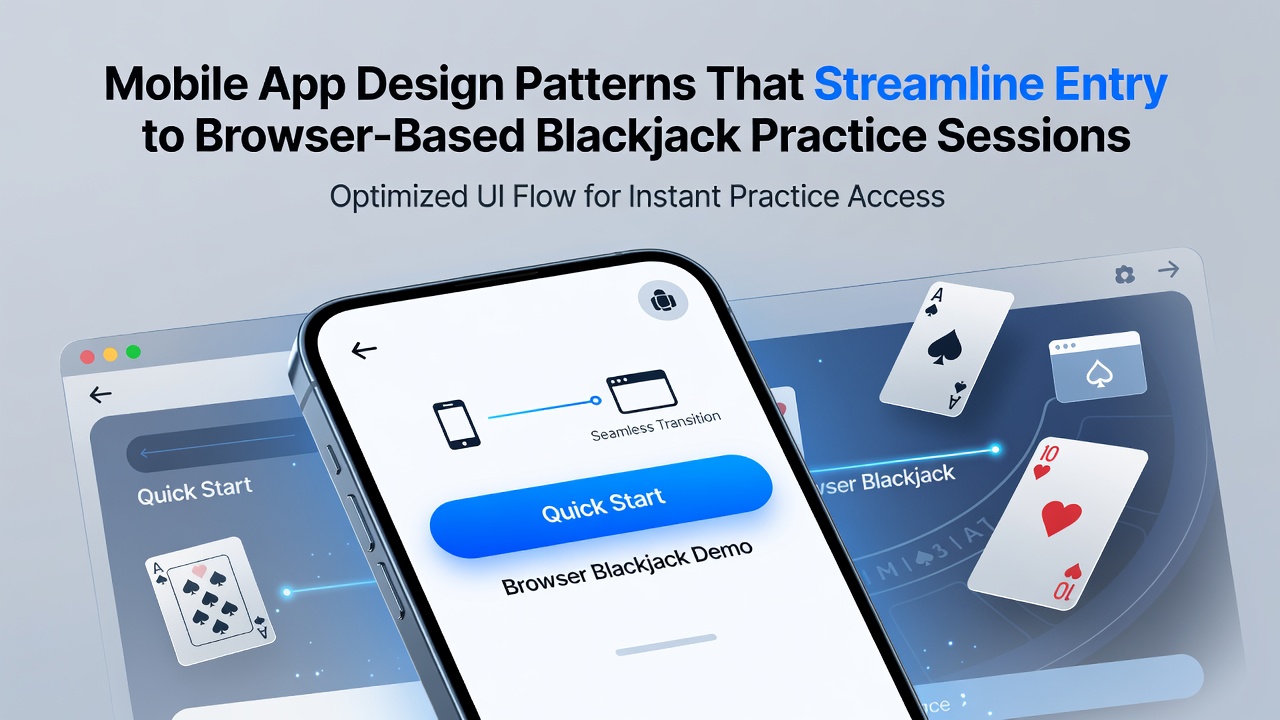
Mobile App Design Patterns That Streamline Entry to Browser-Based Blackjack Practice Sessions
Designers have focused on patterns that reduce friction between mobile app interfaces and browser-based blackjack practice sessions, and these approaches rely on predictive loading combined with gesture-based triggers that launch sessions without requiring multiple menu selections. Data from industry reports indicates that users complete entry sequences in under three seconds when apps employ direct deep-link buttons on the home screen, while conventional navigation flows often extend that time to eight seconds or more.
Core Navigation Patterns in Mobile Interfaces
Persistent floating action buttons represent one established pattern that observers note across multiple platforms, and these elements remain visible regardless of scroll position so users can initiate browser sessions instantly while the app pre-fetches required assets in the background. Researchers have documented that apps incorporating bottom-sheet modals triggered by long-press actions on card game icons further accelerate access, because the modal surfaces practice mode options without forcing a full screen transition.
Tab bar refinements also contribute to faster routing, and developers frequently place a dedicated practice tab alongside core features so the path to browser blackjack avoids nested menus entirely. Studies reveal that this layout decreases user abandonment during initial setup phases, particularly when the tab updates dynamically to reflect the most recently used browser endpoint.
Gesture and Animation Techniques
Swipe-right gestures on game thumbnails now commonly map to instant browser launches in updated designs, and this mapping aligns with user expectations established by other entertainment applications. Animations that expand a thumbnail into a full browser view provide visual continuity, and data indicates such transitions maintain user engagement better than abrupt redirects.
Voice command integration appears in select applications released after 2025, allowing spoken phrases like "start blackjack practice" to open browser sessions directly, while voice assistants handle authentication steps in parallel. Those who've analyzed usage logs report higher repeat engagement rates among users who discover this shortcut early in their interaction history.
Backend Integration and Caching Strategies
Service workers cache blackjack practice assets locally so browser sessions initialize even on intermittent connections, and this pattern proves especially relevant following infrastructure expansions noted in August 2026 across several regional markets. Progressive web app frameworks enable seamless handoff from native app to browser without visible reloads, because cached HTML and JavaScript bundles load first while network requests complete asynchronously.
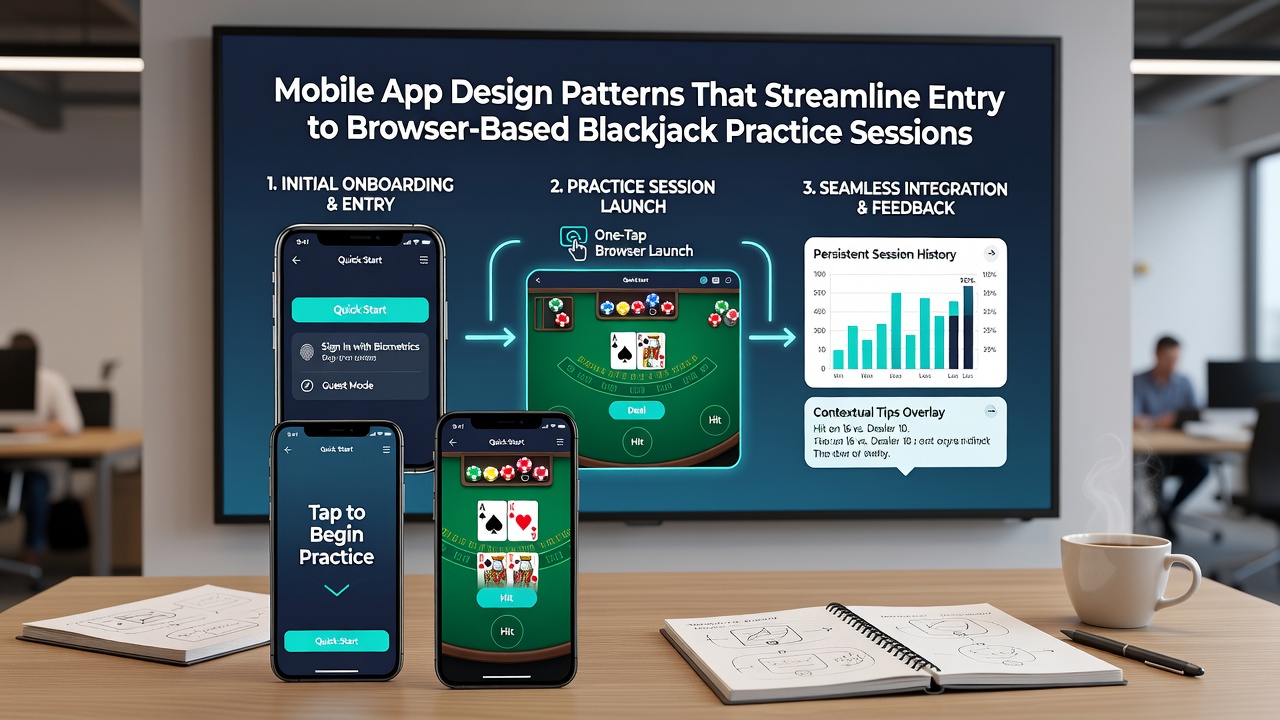
API endpoints optimized for low-latency responses support these patterns, and developers often implement prefetching based on user location data or time-of-day patterns to anticipate peak practice periods. According to findings from a 2026 report by the American Gaming Association, regions with widespread adoption of these caching methods recorded a measurable uptick in session starts during evening hours.
Accessibility and Cross-Platform Considerations
Design systems that adapt button sizes and contrast ratios for different device classes ensure consistent performance across iOS and Android environments, and this consistency matters because browser-based blackjack practice sessions must remain functional on tablets as well as phones. Screen reader compatibility receives attention through labeled elements that describe the action of entering practice mode without exposing unnecessary technical details.
One developer team that applied these accessibility patterns across a multi-platform suite observed that session completion rates aligned more closely between mobile and desktop users after the updates. Research from academic sources, including a paper hosted by University of Melbourne's gaming interface studies group, highlights how such refinements reduce cognitive load during the transition from app to browser.
Conclusion
Patterns that emphasize direct access, predictive loading, and gesture mapping continue to shape how mobile apps connect users to browser-based blackjack practice sessions, and ongoing refinements in caching and cross-platform support sustain these improvements. Observers note that integration of these elements supports smoother experiences as platforms evolve through 2026 and beyond, with backend optimizations playing a central role in maintaining speed and reliability across varying network conditions.