Interface Organization Techniques Guiding Visitors Through Casino Platforms to Blackjack Demo Areas
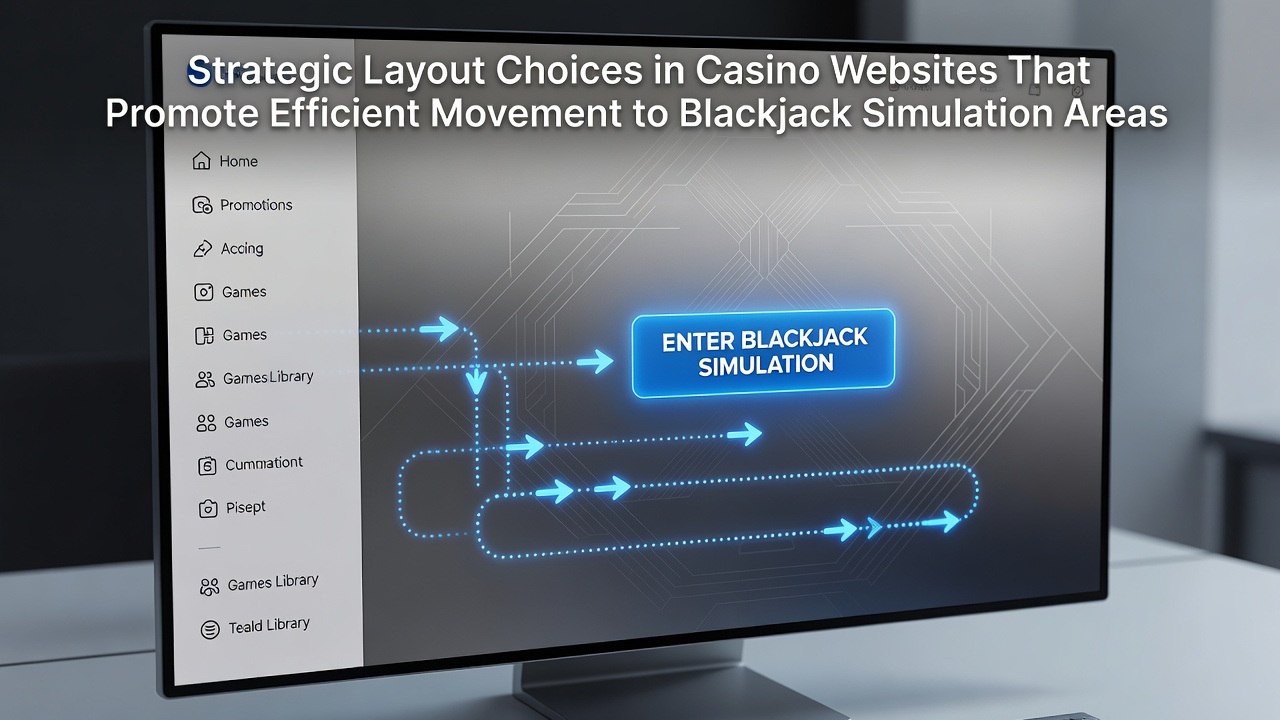
Online casino platforms employ structured navigation systems that channel user attention toward designated simulation zones, and these arrangements rely on layered menu hierarchies combined with visual cues that reduce the number of clicks required to reach blackjack practice interfaces. Research from the International Gaming Institute at the University of Nevada indicates that sites incorporating persistent top-level navigation bars achieve faster routing to demo environments, since users encounter consistent entry points across multiple page loads. Data collected in early 2026 shows average session durations increase when pathways remain visible without requiring dropdown expansions or secondary scrolls.
Homepage Composition and Initial Routing Elements
Designers place prominent call-to-action modules near the upper fold of landing pages, and these modules often feature simulation-specific thumbnails alongside category labels that distinguish practice modes from real-money sections. Observers note that color differentiation and icon placement help separate blackjack demo tiles from other card game options, while adjacent search bars allow direct keyword entry that bypasses broader game libraries. In July 2026 several platforms updated their homepage grids to include dynamic carousels that cycle through simulation previews, and traffic analytics from industry reports reveal these updates correlate with reduced bounce rates on initial visits.
Sidebar panels frequently list quick-access categories that include simulation filters, yet central content areas maintain larger interactive banners that redirect straight to browser-based blackjack environments. Those who study user behavior patterns find that embedding simulation links within featured game carousels produces higher click-through rates compared with isolated footer references.
Menu Structures and Cross-Page Continuity
Persistent header menus maintain blackjack simulation options in secondary navigation tiers, and this placement ensures users can pivot from promotional content or account dashboards without retracing steps through main lobbies. Australian research conducted by the Centre for Gambling Research at Australian National University highlights how mega-menu expansions that organize games by type and access level accelerate discovery of practice interfaces. Sites that repeat simulation shortcuts in both desktop headers and mobile hamburger menus maintain flow consistency across device types.
Internal linking strategies further reinforce efficient movement, since contextual hyperlinks embedded within game descriptions or tutorial articles point directly to demo launch points. Figures released by the Nevada Gaming Control Board in mid-2026 document increased engagement metrics on platforms that integrate such contextual links within educational content blocks.
Mobile Responsiveness and Adaptive Layout Adjustments
Responsive frameworks automatically reposition simulation access buttons when screen widths decrease, and these adjustments prevent occlusion by banners or chat widgets. Developers test swipe gestures and tap targets that maintain direct routes to blackjack practice modes regardless of viewport size. Industry data indicates that platforms optimizing for single-thumb navigation report shorter average times to first simulation launch on handheld devices.
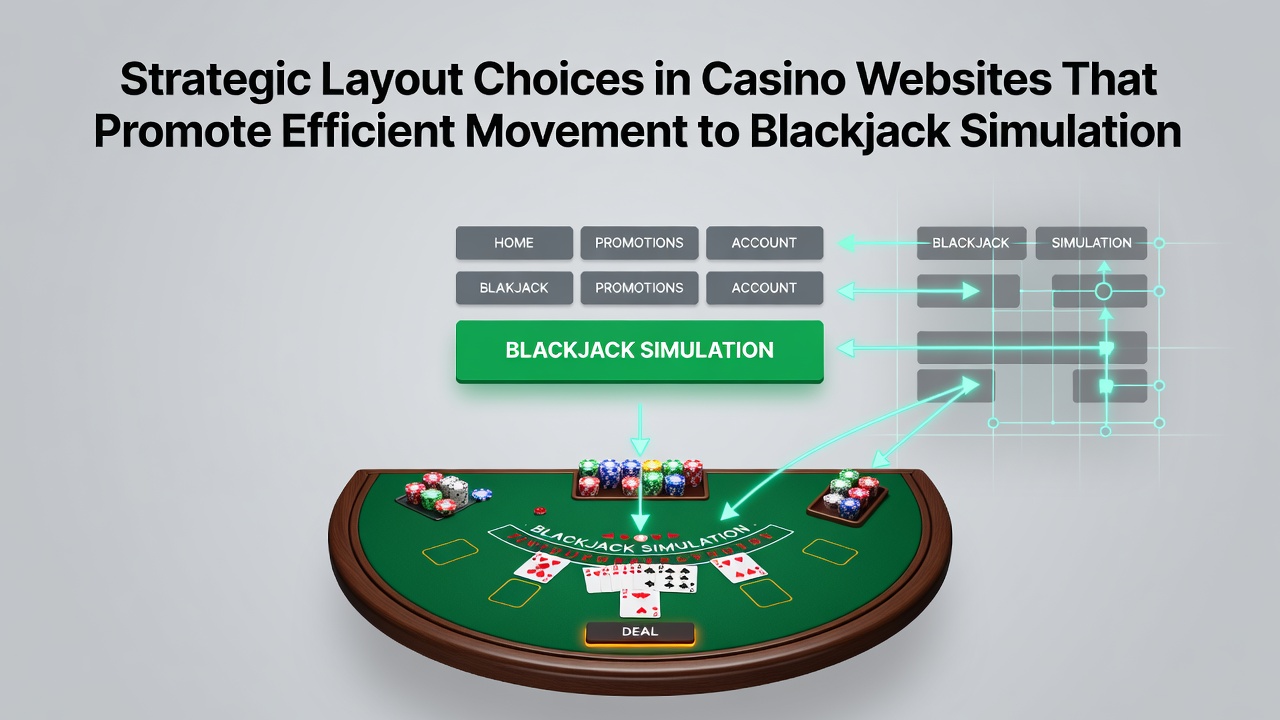
Adaptive grids also reorder content priority on smaller screens so simulation categories appear before secondary promotional sections, and this reordering preserves the logical progression established on desktop versions. Those monitoring platform performance note that such adjustments help sustain user momentum when transitioning between devices during a single session.
Backend Logic Supporting Visible Navigation
Content management systems tag simulation environments with metadata that search functions and recommendation engines can surface quickly, while sitemap configurations prioritize these pages in crawler indexes. Algorithmic routing mechanisms embedded in site architectures detect user location within the platform and surface blackjack demo shortcuts accordingly. Reports from the Canadian Partnership for Responsible Gambling document how these backend processes contribute to measurable improvements in navigation efficiency metrics.
Testing protocols employed by development teams compare multiple layout variants, and results consistently favor arrangements that keep simulation entry points within two clicks of any starting page. Such findings guide ongoing refinements to menu depth and visual hierarchy across major platforms.
Conclusion
Strategic layout decisions in casino websites center on reducing friction between entry points and blackjack simulation zones through consistent menus, contextual links, and responsive positioning. Evidence from multiple regulatory and academic sources demonstrates that these organizational choices produce measurable differences in user progression speed and session continuity. Platforms continue to refine these elements as traffic patterns evolve and device usage shifts, maintaining focus on clear, direct pathways that align with documented engagement data.