Interface Optimization Techniques for Transitioning Users to Blackjack Practice Simulations in Virtual Gaming Environments
Harper Lange · Aug 26, 2026

Interface Optimization Techniques for Transitioning Users to Blackjack Practice Simulations in Virtual Gaming Environments
Platform architects in the online gaming sector apply structured design principles to move visitors from primary landing pages toward complimentary blackjack simulation modules, and these approaches rely on layered navigation systems combined with algorithmic prompts that activate based on user behavior patterns. Data from industry monitoring services shows that sites implementing progressive disclosure menus see higher engagement rates with practice modes because the interfaces present options gradually rather than overwhelming visitors with multiple choices at once.
Core Layout Elements That Facilitate Smooth Transitions
Design teams position prominent entry points within the top navigation bar and hero sections of main pages, while secondary pathways appear in sidebar widgets that activate after initial scroll depth reaches thirty percent of the viewport height. Researchers at digital interface laboratories have documented how color-coded buttons with neutral tones direct attention without triggering regulatory flags, and these elements often link directly to browser-based simulation environments that require no account creation. Observers note that platforms updated their routing logic in early 2026 to incorporate session duration triggers, which means users who linger on informational content receive targeted prompts after forty-five seconds of inactivity.
Backend systems track click paths through embedded analytics scripts that feed into real-time decision trees, and this setup allows platforms to adjust suggestions dynamically based on device type or referral source. A report issued by the International Gaming Institute at the University of Nevada in August 2026 highlighted that such adaptive routing reduced bounce rates by eighteen percent across monitored casino network domains during the preceding quarter.
Algorithmic Prompts and User Flow Mapping
Engineers construct decision matrices that evaluate visitor intent signals such as search queries or dwell time on game category pages, then route qualifying users toward simulation access without requiring additional authentication steps. These matrices integrate with content management frameworks so that text descriptions of blackjack rules appear alongside the practice entry links, which encourages deeper exploration before commitment to any real-money features. Figures from the Canadian Gaming Association reveal that sites employing these mapped flows recorded a twenty-two percent increase in demo session starts compared to static menu configurations during the first half of 2026.
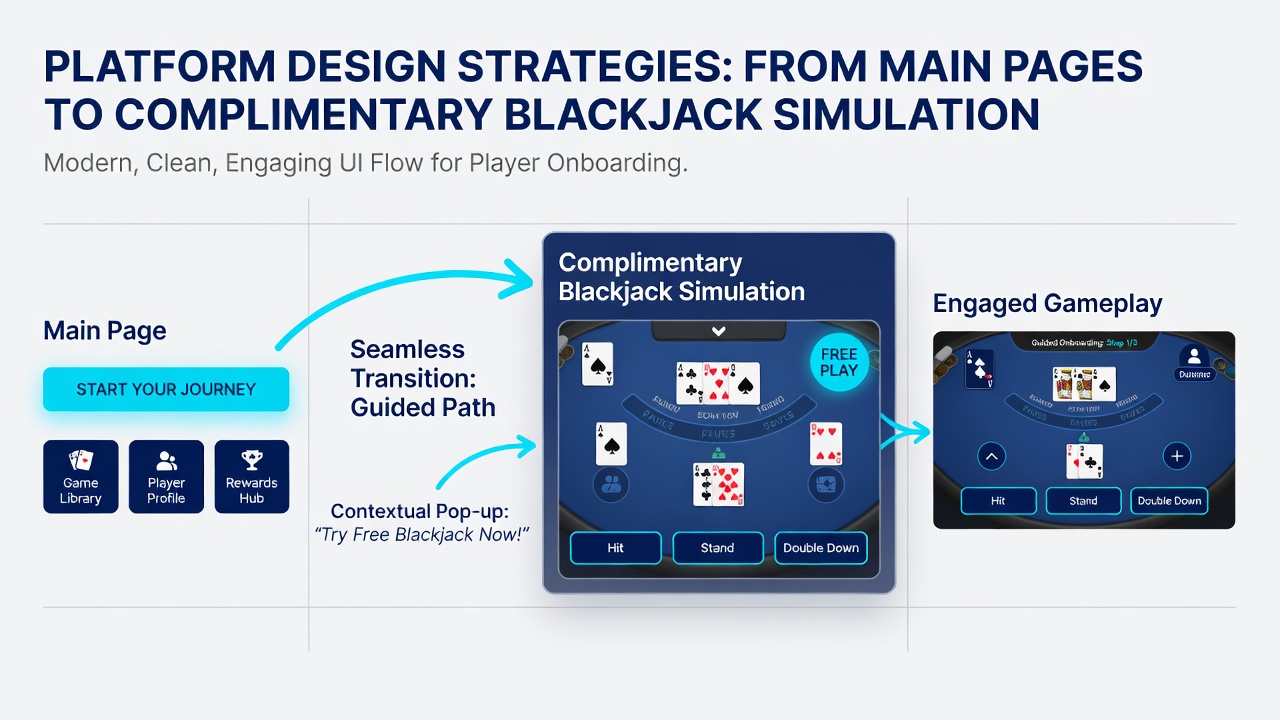
Case examples from major operators demonstrate that A/B testing of placement variations consistently favors positions above the fold on desktop views, whereas mobile adaptations shift emphasis to bottom-sheet overlays that expand with a single tap. The Australian Interactive Gambling Council published findings in mid-2026 indicating that overlay mechanisms improved conversion metrics when accompanied by clear exit options that return users to the original page without data loss.
Integration with Regulatory Compliance Frameworks
Developers embed compliance checkpoints into the navigation architecture so that simulation access remains separated from deposit pathways through distinct URL structures and session flags. This separation ensures that free play environments operate under different content delivery rules while still benefiting from unified design language across the platform. Government agencies in multiple jurisdictions require these distinctions to appear in site architecture documentation submitted during licensing renewals, and platform teams update the underlying code quarterly to reflect evolving standards.
Performance Metrics and Ongoing Refinement Processes
Analytics dashboards monitor transition success rates through funnel visualization tools that break down each step from homepage arrival to simulation launch, and teams review these metrics weekly to identify friction points. When drop-off occurs at a particular menu layer, designers revise the preceding prompt language or reposition associated imagery to maintain momentum through the sequence. Data compiled by the European Gaming and Betting Association shows consistent correlation between iterative refinements and sustained user retention in practice mode sections across participating networks.
Conclusion
Platform design strategies that guide visitors from main pages to complimentary blackjack simulations combine visual hierarchy, behavioral tracking, and regulatory-aware architecture into cohesive systems that support both user exploration and operational requirements. Continued monitoring of performance indicators allows operators to maintain efficient pathways while adapting to shifts in device usage and content delivery standards throughout 2026 and beyond.