Interface Algorithms in Virtual Gaming Hubs: Routing Mechanisms That Link Homepage Designs Directly to No-Stakes Card Game Trials
Mara Albrecht · Aug 22, 2026
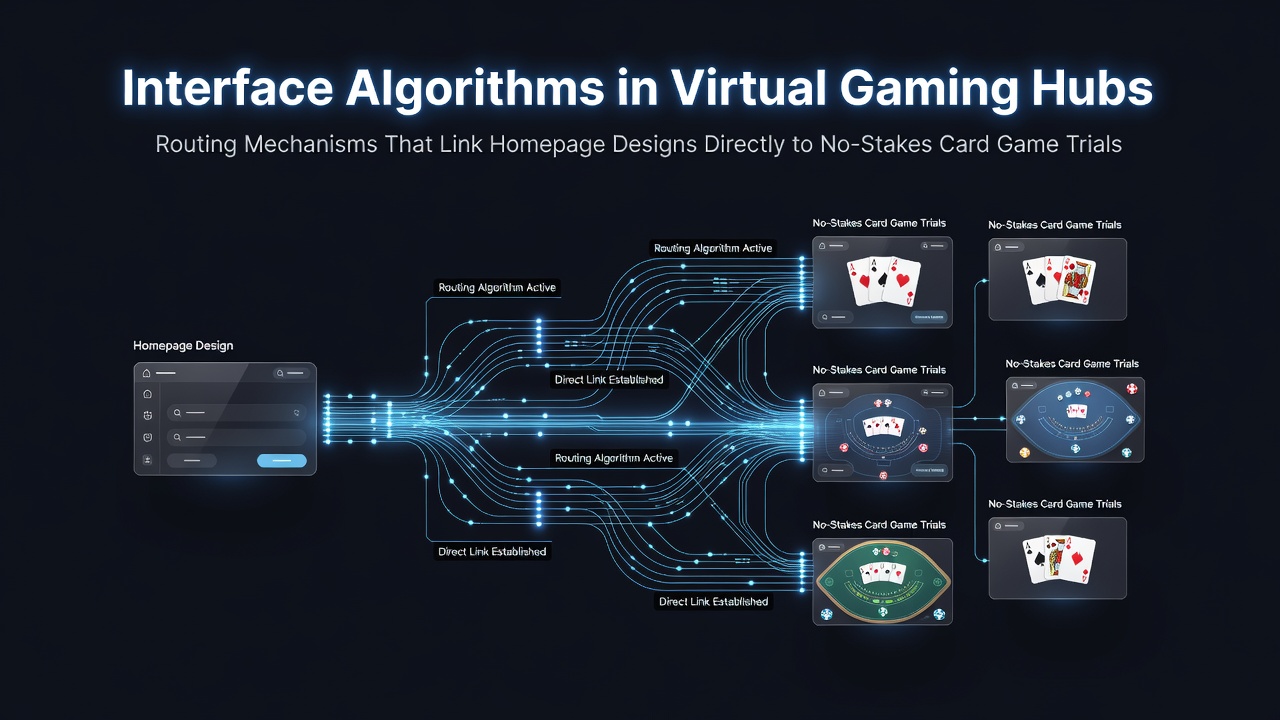
Interface Algorithms in Virtual Gaming Hubs: Routing Mechanisms That Link Homepage Designs Directly to No-Stakes Card Game Trials
Virtual gaming platforms rely on specialized interface algorithms to manage user navigation from initial homepage views straight into no-stakes card game trials, and these systems operate through layered routing mechanisms that interpret design elements such as buttons, menus, and interactive banners. Observers note that such algorithms process user interactions in real time by mapping visual homepage components to backend functions that load demo versions of card games without requiring account creation or financial commitments, while data from industry reports indicates widespread adoption of these pathways across browser-based environments as of August 2026.
Core Components of Routing Mechanisms
Routing mechanisms function as decision trees embedded within platform architectures where homepage designs trigger specific event handlers that evaluate parameters like user location, device type, and session history before directing traffic to trial interfaces, and this process avoids full page reloads through client-side scripting that fetches modular game assets from content delivery networks. Researchers have documented how these systems incorporate conditional logic to distinguish between promotional trial entries and other site sections, ensuring seamless transitions that maintain visual continuity from the landing page layout into the card game environment.
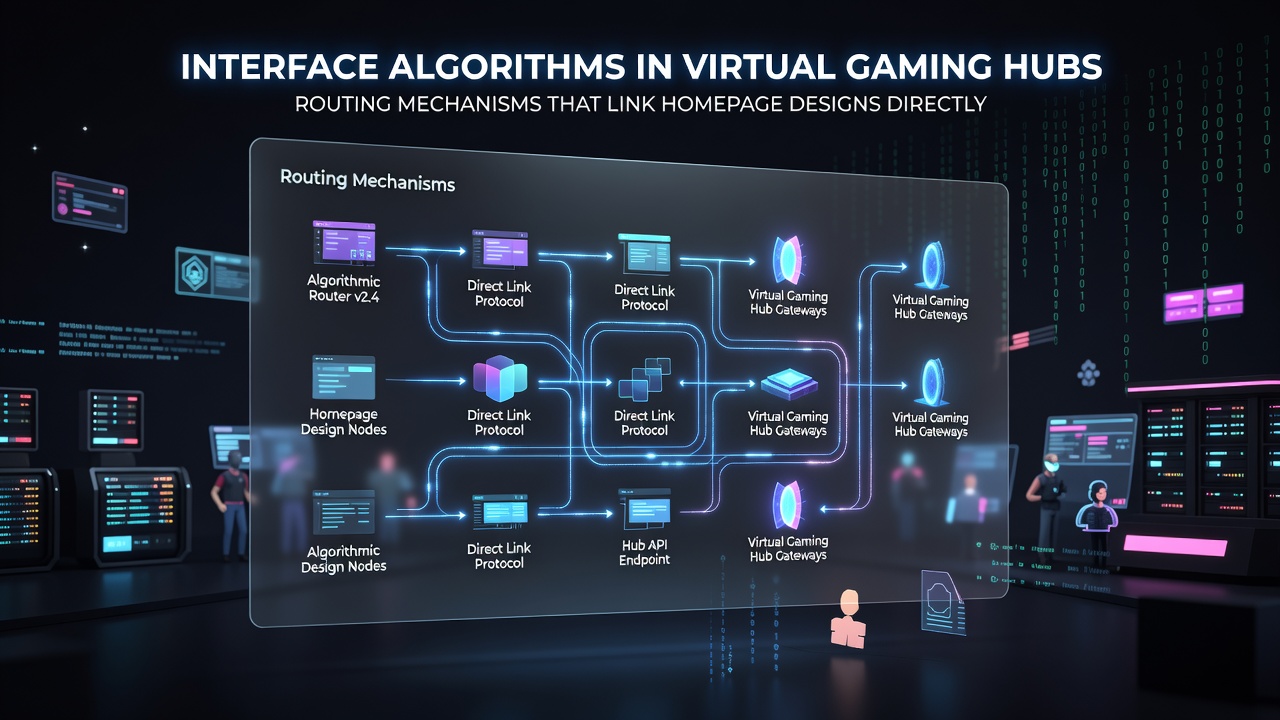
Platform developers integrate API endpoints that receive signals from homepage elements, then execute routing scripts to instantiate no-stakes card game trials featuring standard decks and rulesets without wager functionalities, and evidence from technical analyses shows these endpoints often include fallback protocols for varying network conditions. Those who've examined multiple hubs report that the algorithms prioritize low-latency responses to keep users engaged during the handoff from static design elements to dynamic trial modules.
Technical Implementation Details
Implementation begins with frontend frameworks that attach listeners to homepage components, after which routing functions parse query strings or data attributes to determine the target trial type such as blackjack or poker variants, and backend services validate these requests against configuration files that define available demo modes. Studies indicate that hash-based or history API routing supports browser navigation without server roundtrips, allowing instant access to practice interfaces where card dealing animations and basic rule enforcement run locally in the client.
Security layers within these mechanisms filter requests to prevent unauthorized access to paid features during trial routing, while data indicates that August 2026 updates in several hubs introduced enhanced token validation steps that confirm demo-only status before rendering game canvases. Observers note integration with content management systems that update homepage designs dynamically, pushing new routing targets without requiring full redeployments of the underlying algorithm stack.
Performance Metrics and Platform Variations
Performance evaluations track metrics such as time-to-trial and error rates during routing events, with figures from platform audits revealing average loads under two seconds when algorithms optimize asset preloading based on predicted user paths from the homepage. Different hubs apply variations where some employ machine learning models to refine routing based on aggregate click patterns, whereas others stick to rule-based systems that follow explicit design hierarchies linking banners directly to specific card game trials.
According to reports from the Australian Communications and Media Authority, technical standards for interactive gaming interfaces emphasize reliable routing to ensure users reach trial modes without friction, and similar guidance appears in documentation from the National Council on Problem Gambling regarding clear separation of demo pathways. These sources highlight how routing algorithms contribute to standardized user experiences across regions, with August 2026 data showing consistent improvements in cross-device compatibility for no-stakes card game access.
Integration with Broader Platform Architecture
Broader architecture ties these routing mechanisms to user analytics engines that log navigation sequences from homepage entry points through to trial completion, enabling iterative refinements without altering core game logic, and experts observe that this feedback loop supports scalability as traffic volumes increase during peak periods. Card game trials receive parameters passed through the routing layer, such as selected variants or tutorial flags, which initialize the interface accordingly while keeping all elements stake-free.
Developers coordinate these elements with content delivery strategies that cache trial resources closer to users, reducing latency in the final routing step from homepage design to playable demo, and records indicate that such optimizations have become standard practice by mid-2026. The result maintains platform cohesion where visual and functional continuity supports repeated user returns to explore additional no-stakes options.
Conclusion
Interface algorithms and their associated routing mechanisms form the backbone of efficient navigation in virtual gaming hubs by connecting homepage designs to no-stakes card game trials through structured, event-driven processes that prioritize speed and reliability. Data from regulatory and industry sources continues to track advancements in these systems, particularly as platforms adapt to evolving browser capabilities and user expectations through 2026 and beyond.