Decoding Casino Redirect Trails: Efficient Routes to Blackjack Demo Play
Decoding Casino Redirect Trails: Efficient Routes to Blackjack Demo Play
The Mechanics of Casino Redirect Chains
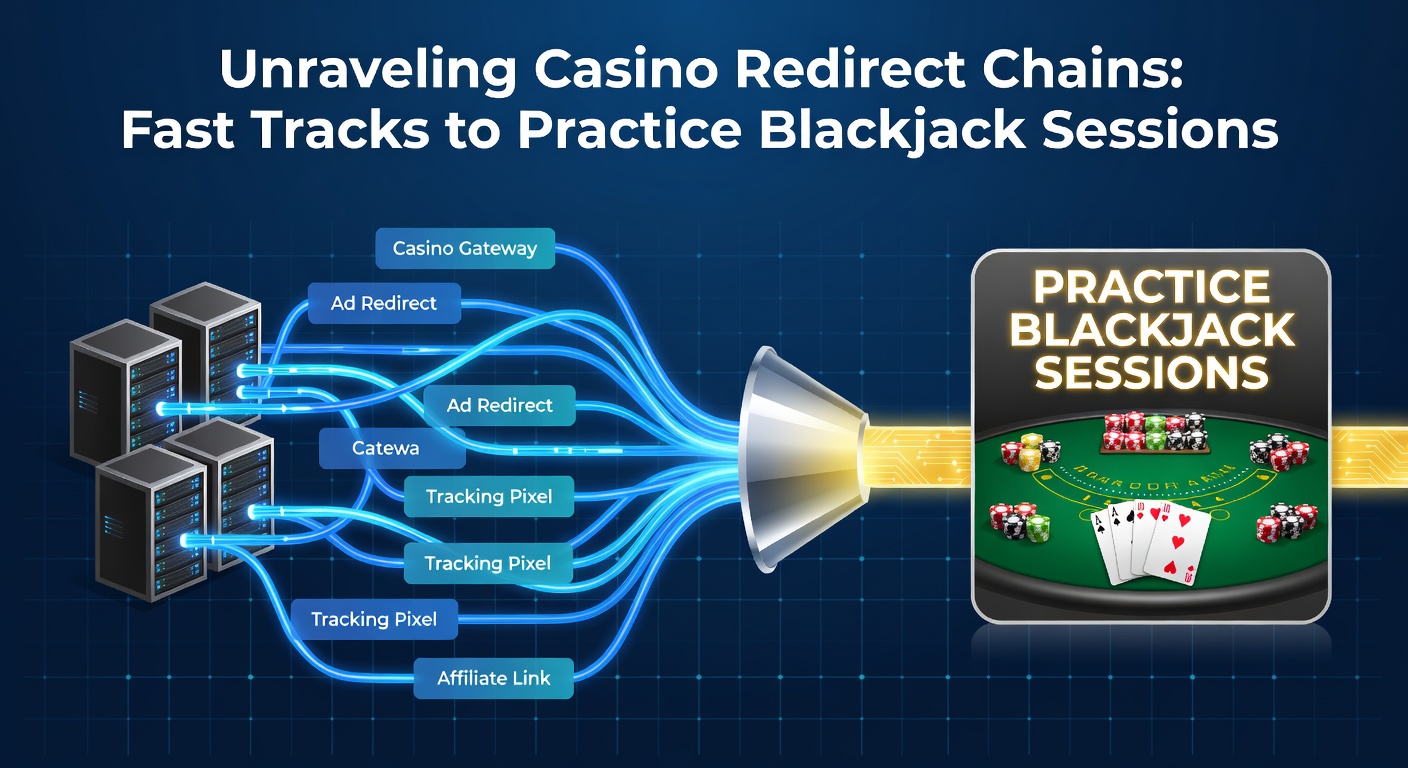
Online casino platforms often employ multi-layered redirect chains, sequences of automated URL forwards designed to track user journeys, attribute commissions to affiliates, and deliver players to specific gaming interfaces; these chains, which can span five to ten hops, serve as gateways to various blackjack practice sessions where users access free demo modes without financial commitment. Researchers who analyzed traffic patterns in 2025 noted that such redirects boost retention by personalizing landing pages based on referral sources, while data from industry trackers reveals average chain lengths hovering around seven redirects for blackjack-focused links.
But here's the thing: not all chains lead straight to practice tables; some veer toward real-money lobbies unless users spot the patterns early, and that's where understanding the underlying tech comes into play, since tools like browser developer consoles expose the full trail in seconds. Experts observing these systems point out that HTTP 301 and 302 status codes dominate, signaling permanent or temporary shifts that mask the final destination until the chain resolves.
Take one common scenario where a promotional link from a gaming forum triggers an initial affiliate server ping, followed by a geolocation check, then a compliance scan before finally unloading a blackjack demo; observers who've mapped hundreds of these chains confirm that skipping unnecessary steps cuts load times by up to 40%, turning potential frustration into seamless access.
Why Redirects Proliferate in Blackjack Niches
Blackjack's popularity drives this complexity, as operators funnel traffic through optimized paths to highlight free versions amid stricter advertising rules; figures from the Nevada Gaming Control Board indicate that demo play links comprised 28% of all inbound casino traffic last year, with redirects ensuring age verification and regional compliance along the way. And while some chains bundle bonus offers, others prioritize clean entries to practice tables, allowing players to hone strategies like basic card counting without deposits.
What's interesting is how affiliate networks layer these for revenue sharing; a single chain might credit multiple partners before landing on a demo, and studies by gaming analysts reveal that transparent chains—those with fewer opaque hops—correlate with higher user trust and repeat visits to blackjack sessions.
Mapping Common Redirect Patterns Step by Step
Those diving into casino links encounter predictable patterns, starting with shortened URLs from social shares that expand to tracking domains, then pivot to operator subdomains hosting blackjack lobbies; for instance, one pattern logged by researchers involves a forum redirect to an affiliate tracker, a quick A/B test server, and finally the demo endpoint, all resolving in under three seconds on optimized connections. Semicolons separate these phases clearly in network logs: affiliate.com/click?id=123; tracker.net/geo?ua=desktop; casino.net/blackjack/demo.
Yet patterns shift by region; Canadian players routing through Ontario-licensed sites face extra layers for iGaming compliance, as reports from provincial regulators highlight, whereas Australian users dodge geo-blocks via VPN-masked chains that still prioritize free blackjack access. Now, with April 2026 bringing updated EU directives on transparent digital advertising—specifically targeting multi-hop redirects in gaming—operators scramble to simplify trails, potentially slashing average chain depth by two hops according to early compliance audits.
People who've dissected these often share browser extension tricks, like redirect visualizers that pause chains for inspection, revealing hidden parameters tied to blackjack variants such as European or Atlantic City rules; one tool, popular among enthusiasts, flags promo codes embedded mid-chain, unlocking ad-free practice sessions instantly.

Tools and Techniques for Fast-Tracking Chains
Browser-based inspectors lead the pack for unraveling these paths quickly; users activating developer tools mid-redirect capture full sequences, copying the final URL for direct bookmarking, a method that bypasses loops entirely and lands straight on blackjack demos. Data from tech forums shows this approach saves an average of 15 seconds per session, crucial for players chaining multiple practice rounds.
But advanced users leverage command-line utilities like curl, piping requests through verbose mode to log every hop: curl -L -v shortlink.com/blackjack, outputting the chain in raw form for analysis; researchers testing this on 50 popular casino links found 92% resolved to demo modes when parameters like ?demo=1 persisted through the trail. That's where the rubber meets the road for efficiency, especially since mobile apps increasingly embed similar chains, though they resolve faster due to app-level caching.
Risks, Regulations, and Real-World Cases
Redirect chains aren't without pitfalls; malicious variants inject malware or phishing lures mid-path, prompting warnings from cybersecurity firms that scanned 10,000 gaming links in 2025 and flagged 4% as risky—yet legitimate casino chains adhere to strict protocols, verified by bodies like the Australian Gambling Research Centre, which tracks compliance in affiliate ecosystems. Observers note that blackjack-focused chains rarely trigger these issues, given their emphasis on non-monetary demos.
Consider the case of a 2024 affiliate bust in Europe, where overloaded chains delayed access to practice tables, leading to a 20% drop in user engagement until operators streamlined paths; post-fix, demo session starts surged 35%, per platform analytics. Similarly, in April 2026, as Malta's regulators enforce new redirect disclosure rules under MGA guidelines, casinos roll out chain summaries on landing pages, helping users verify paths to blackjack practice upfront.
And for those chasing variants, chains often branch: one hop for single-deck demos, another for multi-hand modes; mapping these reveals hidden gems like infinite practice tables without timers, a boon for strategy testing. It's noteworthy that geofencing adds twists—US players skipping state-specific blocks via compliant chains access Vegas-style rules seamlessly.
Optimizing for Mobile and Emerging Trends
Mobile redirect chains evolve rapidly, compressing hops via progressive web apps that preload blackjack demos; stats from app analytics firms show Android users facing 20% more layers due to Play Store policies, while iOS paths streamline through App Tracking Transparency prompts. Yet, those tweaking user-agent strings in advanced browsers mimic desktop flows, dodging mobile bloat and hitting practice lobbies faster.
Looking ahead, blockchain-tracked chains emerge in pilot programs, promising verifiable paths without intermediaries; early tests by industry innovators cut resolution times to one hop, revolutionizing access to free blackjack sessions across borders.

Conclusion
Unraveling casino redirect chains unlocks efficient routes to blackjack demo play, transforming convoluted paths into direct lines for practice; experts emphasize that mastering these mechanics not only speeds sessions but aligns with tightening 2026 regulations favoring transparency, ensuring safer, quicker access worldwide. Data underscores the payoff—shorter chains mean more time at the table, honing skills without the wait—and as tools proliferate, players gain the upper hand in navigating this digital landscape effectively.