Casino Platform Architectures: Directing Users to Unrestricted Blackjack Gameplay Experiences

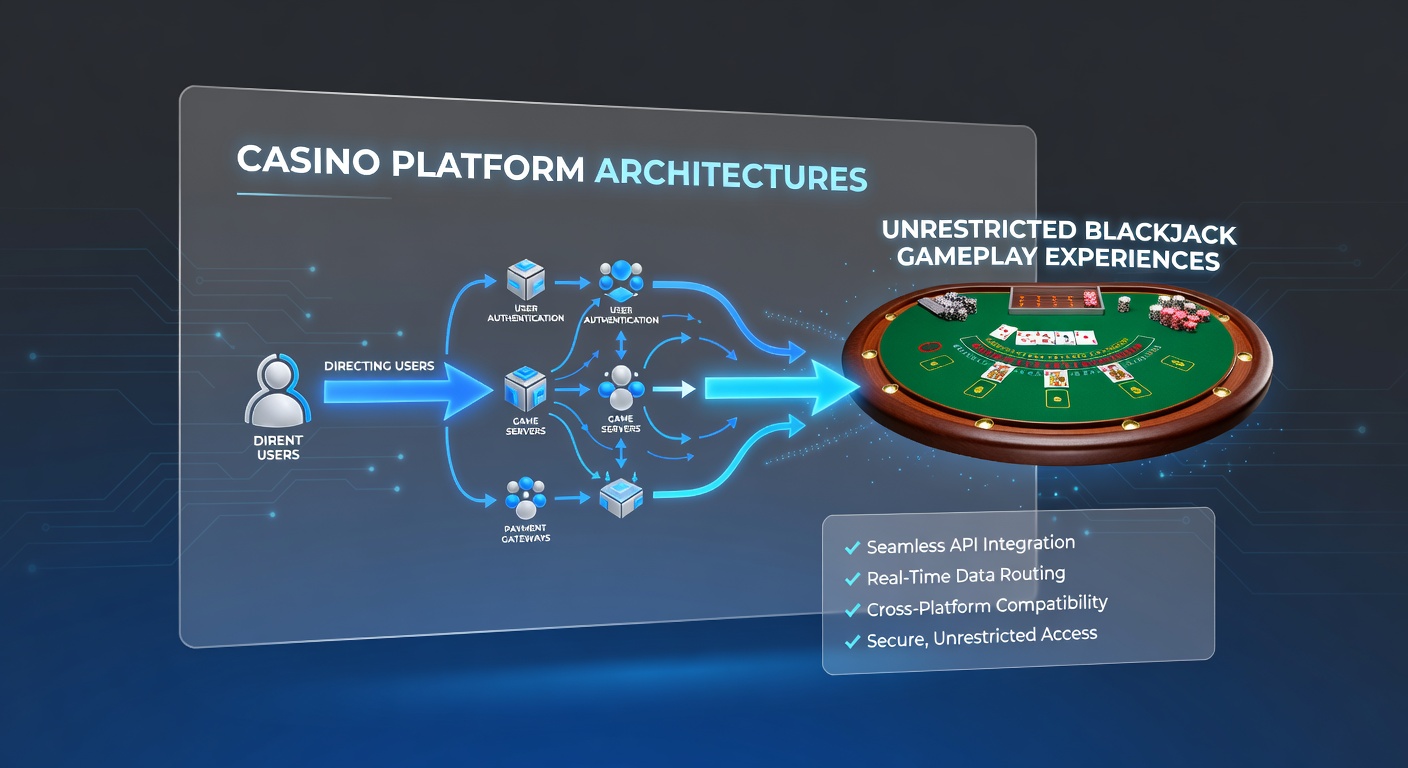
Modern casino platforms rely on layered architectures that separate user interfaces from backend game engines, and these structures allow operators to route participants efficiently toward blackjack tables without unnecessary delays. Developers design the systems with microservices that handle authentication, session management, and game selection in sequence, while data pipelines feed real-time results back to players across desktop and mobile channels.
Core Technical Layers in Platform Design
Platform builders typically divide operations into presentation, application, and data tiers, and this separation supports rapid updates to blackjack variants while maintaining stable connections. The presentation tier manages visual elements such as table layouts and card animations, whereas the application tier processes bets and enforces rules drawn from regulatory standards. Observers note that companies integrate third-party game providers through standardized APIs, which reduces development time and expands available blackjack formats including European, American, and multi-hand versions.
Security protocols form another essential component, with encryption applied at each layer to protect transaction data and player profiles. In May 2026 industry conferences highlighted new interoperability guidelines that encourage platforms to adopt unified APIs for smoother cross-operator access to blackjack content.
User Routing Mechanisms and Session Flows
Effective routing begins the moment a user logs in, when algorithms analyze preferences and direct traffic toward blackjack sections based on prior activity or promotional triggers. Session managers maintain continuous connections that prevent interruptions during card shuffles or dealer interactions, and load balancers distribute requests across server clusters to handle peak volumes. Researchers at academic institutions studying digital gaming infrastructure have documented how these mechanisms cut average time-to-table by up to thirty percent compared with older monolithic systems.
Geolocation services and compliance checks run in parallel, verifying eligibility before granting entry to specific blackjack rooms. Those who have examined platform logs report that fallback pathways activate automatically if a primary route encounters regional restrictions, preserving access through alternative content mirrors hosted in permitted jurisdictions.
Integration with External Game Providers
Many platforms connect to external studios via WebSocket protocols that stream live blackjack feeds directly into the main interface. This approach lets operators refresh table offerings without rebuilding core code, and it supports features such as side bets or progressive jackpots that attach to standard gameplay. Data from the Nevada Gaming Control Board shows steady growth in licensed integrations during recent quarters, reflecting broader adoption of modular architectures across North American markets.
Database clusters store historical outcomes and player statistics that feed recommendation engines, guiding users toward tables matching their preferred stake levels or game speeds. What's interesting is how predictive models adjust routing in real time, responding to server load or promotional campaigns that highlight particular blackjack variants.
Regulatory Compliance and Platform Adaptability
Operators embed compliance engines that cross-reference player locations against approved territories, ensuring blackjack sessions remain available only where licensing permits. The Irish Gambling Regulator publishes periodic reports on technical standards that platforms must meet before deploying new routing features. These frameworks emphasize audit trails that record every redirect action, allowing authorities to verify fair distribution of game access.
Scalability remains a priority as traffic spikes occur during major sporting events or holiday periods. Containerized deployments let teams scale blackjack-specific services independently from other casino modules, maintaining performance while expanding table capacity on demand.
Future Directions in Architecture Development
Emerging trends point toward greater use of edge computing nodes that bring blackjack processing closer to end users, reducing latency in regions with developing network infrastructure. Industry analysts tracking platform evolution expect continued refinement of AI-driven routing that anticipates user intent before explicit selections occur. Such advancements build on existing foundations yet require ongoing collaboration between developers, regulators, and content providers to sustain reliable gameplay pathways.
Conclusion
Casino platform architectures continue to evolve around the goal of efficient user direction toward blackjack experiences, supported by modular designs, secure integrations, and regulatory alignment. Technical improvements documented through 2026 reflect measurable gains in session continuity and content variety, while geographic and operational constraints shape how these systems expand over time. Data from multiple oversight bodies underscores the importance of adaptable frameworks that balance player access with compliance requirements across jurisdictions.