Casino Interface Designs That Route Users Straight to Blackjack Practice Modes
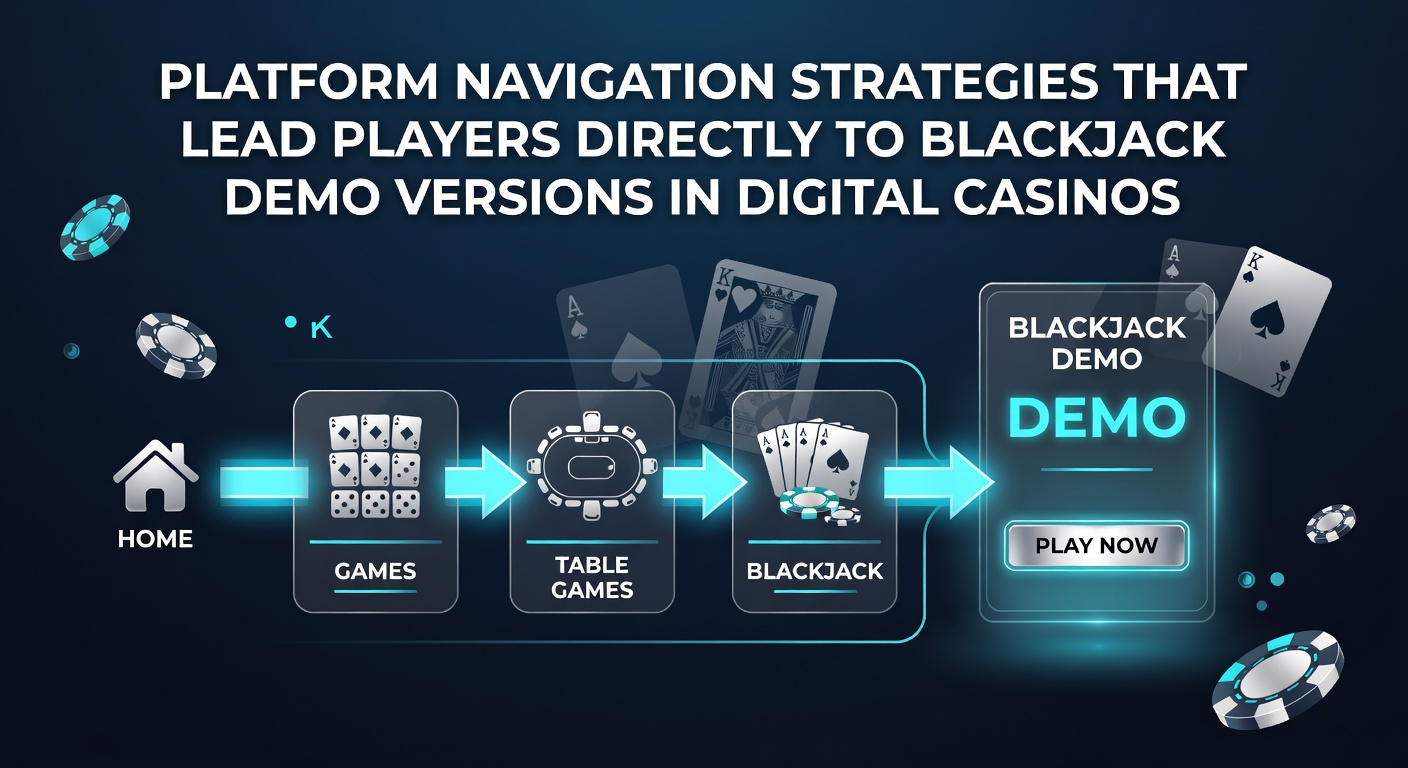 Digital casino platforms organize their layouts around clear category systems that separate paid games from practice modes, and these structures often place blackjack demo options within dedicated free-play hubs or quick-access side panels. Observers note that many sites feature persistent search bars at the top of every page, where typing terms like "blackjack demo" surfaces results that bypass multiple menu layers and open trial tables immediately.
Menu Hierarchies and Category Placement
Standard navigation bars list sections such as Slots, Table Games, and Live Dealer, with blackjack demo versions frequently nested under Table Games submenus that include a visible "Practice" or "Free Play" toggle, and this arrangement lets users reach demonstration tables after just two clicks from the main lobby. Research from industry reports indicates that platforms using mega menus expand on hover or tap to reveal blackjack variants alongside direct demo buttons, which reduces the steps required to enter practice environments.
Those who study user behavior patterns find that footer links often repeat these pathways, listing blackjack practice options again in secondary navigation that appears on every page load. Such redundancy serves as a backup route when primary menus sit higher on the screen.
Search Functions and Filter Systems
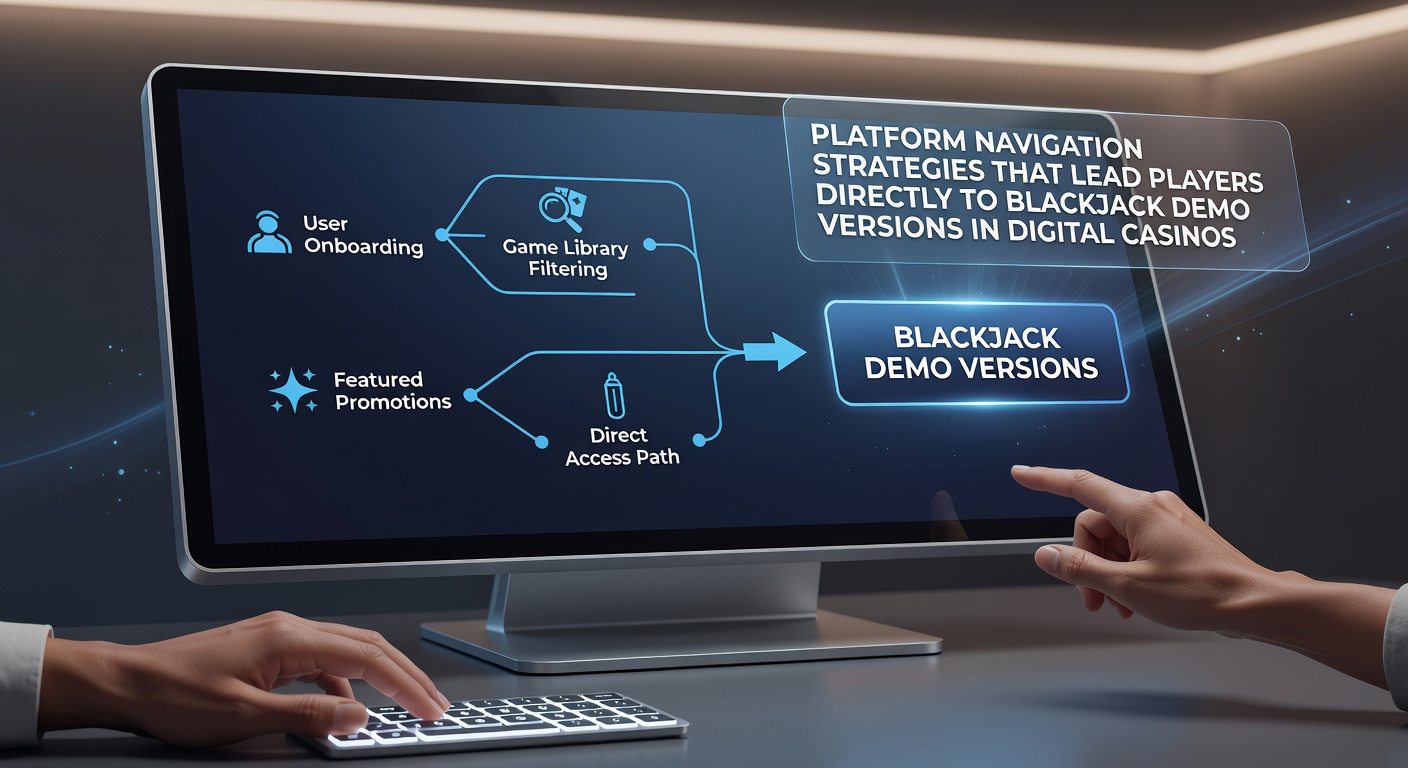
Search bars accept keywords that trigger instant filters, and once "blackjack" combines with terms like "demo" or "trial," results populate with playable practice versions that carry no account requirements in many cases. Data from platform analytics shows that sites incorporating smart search suggestions complete these queries faster than static lists alone, guiding visitors toward blackjack demo tables without requiring them to browse entire game libraries.
Advanced filters appear beside search results and allow sorting by game type, volatility level, or provider name, while checkboxes for "Free Play Only" isolate demonstration blackjack from real-money options. These tools operate across both desktop and mobile views, although mobile versions collapse filters into expandable accordions to preserve screen space.
Mobile-Specific Navigation Elements
Smartphone interfaces rely on bottom tab bars or hamburger menus that open to reveal blackjack practice categories, and swipe gestures often advance users from lobby previews directly into demo tables without additional confirmation screens. Studies of mobile casino usage reveal that push notifications sometimes highlight new blackjack demo releases, creating another entry point that lands players inside practice sessions after a single tap.
Homepage Banners and Prominent CTAs
Homepages frequently display rotating banners that advertise blackjack practice sessions, and clicking these graphics opens demo tables while preserving the original URL structure for easy return navigation. Internal linking throughout article sections and game description pages points back to these practice modes, creating multiple on-site trails that converge at the same blackjack demonstration tables.
According to findings published by the American Gaming Association, platforms that maintain consistent button styling for demo access across all device types see higher engagement rates with practice features. Similar patterns appear in reports from the Australian Gambling Research Centre, which tracked navigation efficiency in regulated online environments during 2025.
Provider Integration and Game Lobby Organization
Third-party game providers embed their blackjack titles within unified lobbies that separate real-money and demo tabs at the provider level, and this separation allows users to switch between paid and practice versions using the same game thumbnail. Lobby grids display hundreds of titles yet apply category tags that highlight blackjack demo availability, helping users locate specific variants without scrolling through unrelated content.
Updates scheduled for May 2026 include refinements to these tagging systems across several major platforms, which aim to surface practice blackjack options even earlier in the discovery process. Observers expect these changes to build on existing menu logic rather than replace it.
Conclusion
Platform navigation strategies center on layered menus, responsive search tools, and repeated access points that collectively shorten the distance between a user's first click and an active blackjack demo table. These designs appear consistently across desktop, tablet, and mobile environments, supported by data from regulatory and research bodies that track how interface choices influence game discovery. Continued refinements in filter logic and provider integration keep these pathways efficient as platforms evolve.