Browser Algorithms That Facilitate Instant Entry to Free Card Game Practice Modes
Elena Powell · Aug 12, 2026
Browser Algorithms That Facilitate Instant Entry to Free Card Game Practice Modes
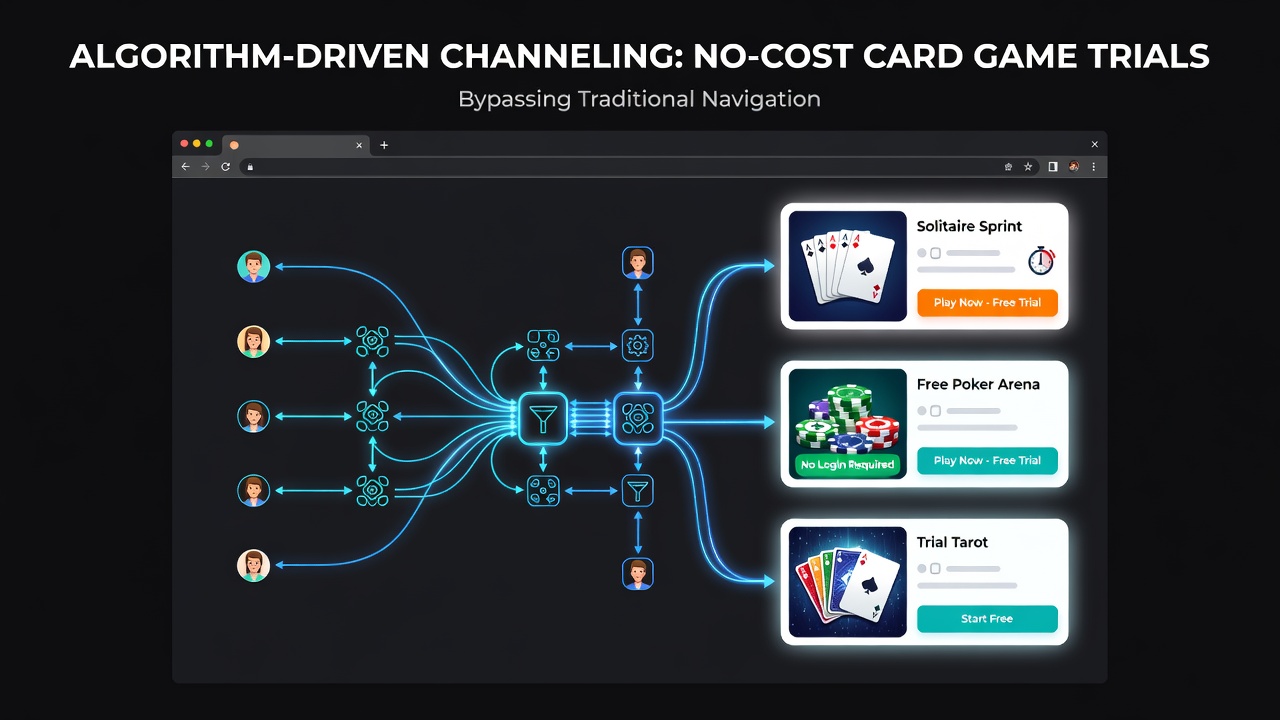
Browser interface algorithms operate through a combination of client-side scripting, session data tracking, and dynamic content loading that directs users straight to no-cost card game trials, and these systems bypass conventional menu structures by analyzing user behavior in real time while embedding trial access points within initial page renders. Data from web analytics platforms shows that such routing relies on JavaScript event listeners and predictive models to identify intent signals like dwell time on related graphics or hover patterns over game icons.
Researchers at various institutions have documented how these algorithms prioritize trial modes over paid options through weighted decision trees that factor in device type, geographic location, and referral source, and this approach reduces the number of clicks required from an average of four or five down to one or two. In August 2026 several major browser vendors updated their rendering engines to support enhanced prefetching for interactive content, which allowed card game platforms to preload demo assets without additional user prompts.
Core Components of Routing Logic
At the foundation sit decision engines that process browser cookies and local storage entries to determine whether a visitor has previously engaged with trial content, and if patterns indicate first-time access the algorithm surfaces a full-screen overlay or inline frame containing the game interface. Observers note that machine learning models trained on millions of session logs refine these predictions daily, adjusting for seasonal traffic spikes and regional preferences in card game variants.
One case study from a European research consortium revealed that platforms employing A/B testing on button placement achieved higher conversion to trial starts when elements appeared above the fold without requiring scroll actions, and similar findings emerged from North American academic projects examining user flow efficiency. These implementations often incorporate progressive web app features that cache trial assets locally, enabling offline continuation once the initial connection completes.
Technical Integration with Modern Browsers
Modern browsers support service workers that intercept navigation requests and redirect them to cached trial environments, and this mechanism operates invisibly to the user while maintaining compliance with content security policies. Figures from industry reports indicate adoption rates for such worker-based routing exceeded 65 percent among leading card game sites by mid-2026, driven by performance gains measured in reduced time-to-interactive metrics.
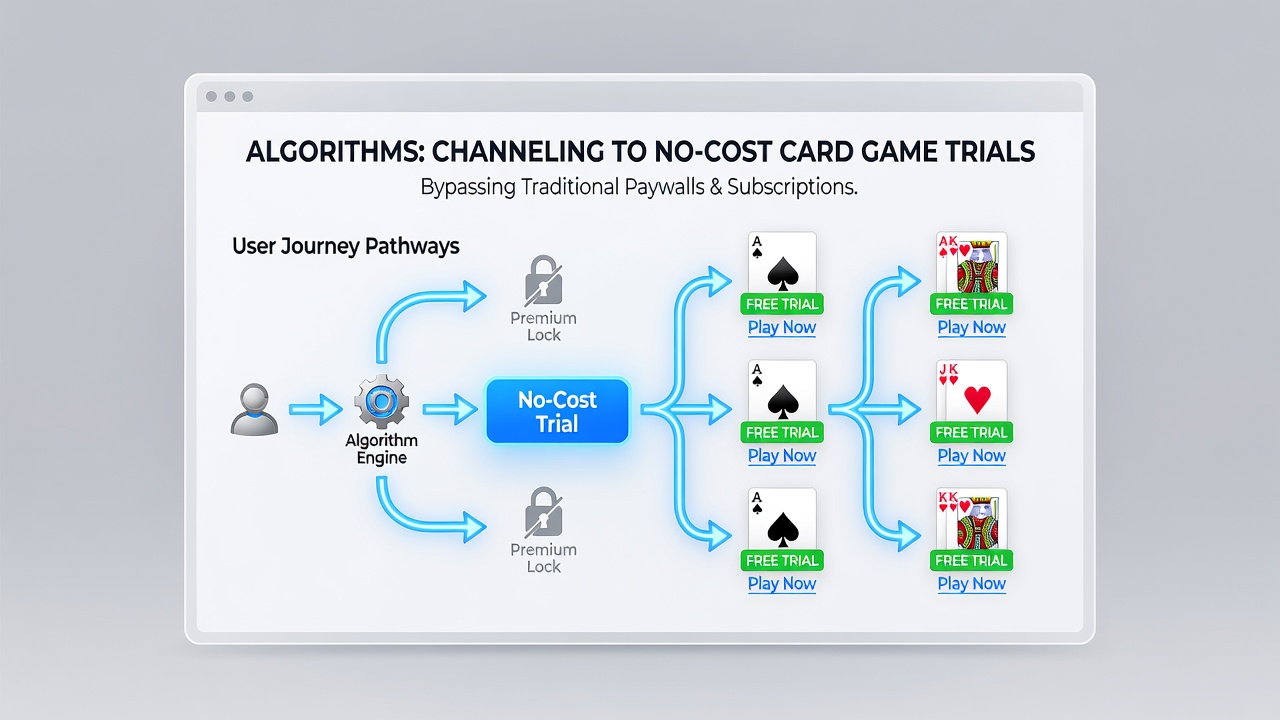
Developers integrate these systems with API endpoints that return personalized trial configurations based on browser fingerprinting data, although privacy regulations in multiple jurisdictions limit the scope of such tracking, and platforms have responded by shifting toward contextual signals derived solely from current session activity. What's interesting is how edge computing nodes now handle preliminary routing decisions closer to the user, cutting latency for trial launches in regions with variable network conditions.
Impact on User Pathways and Platform Metrics
Platforms utilizing these algorithms report measurable increases in trial participation rates, with some documenting rises between 30 and 45 percent compared to traditional navigation models according to aggregated telemetry shared at developer conferences. In Canada, data compiled by federal digital economy monitors showed corresponding growth in engagement with browser-based educational card game resources that employ similar instant-access designs.
Those who maintain card game archives have observed that seamless trial entry correlates with longer overall session durations because users encounter fewer friction points, and this pattern holds across desktop and mobile environments alike. Yet implementation requires careful calibration to avoid over-triggering that could trigger browser pop-up blockers or security warnings.
Future Developments and Regulatory Context
Looking ahead, integration with WebAssembly modules promises even faster loading of card game trial engines directly within the browser sandbox, and preliminary tests conducted by Australian academic groups suggest load time reductions of up to 70 percent. Regulatory bodies in the European Union continue to review data handling practices associated with these routing systems, prompting platforms to adopt transparent consent flows that still preserve the no-navigation benefit.
One study released by a Singapore-based research institute examined cross-border variations in algorithm performance, finding that localized content delivery networks further optimize trial access speeds in high-density urban areas. Observers continue to track how emerging browser standards around intent-based navigation may standardize many of these custom implementations over the coming years.
Conclusion
Browser interface algorithms that channel users toward no-cost card game trials continue to evolve through iterative improvements in scripting efficiency and data analysis, and evidence from multiple regions demonstrates their role in reshaping entry pathways on digital platforms. Continued monitoring by academic and governmental entities will shape how these systems balance accessibility with privacy considerations moving forward.