Architectural Frameworks for Routing Browser Requests to Free Blackjack Demo Platforms

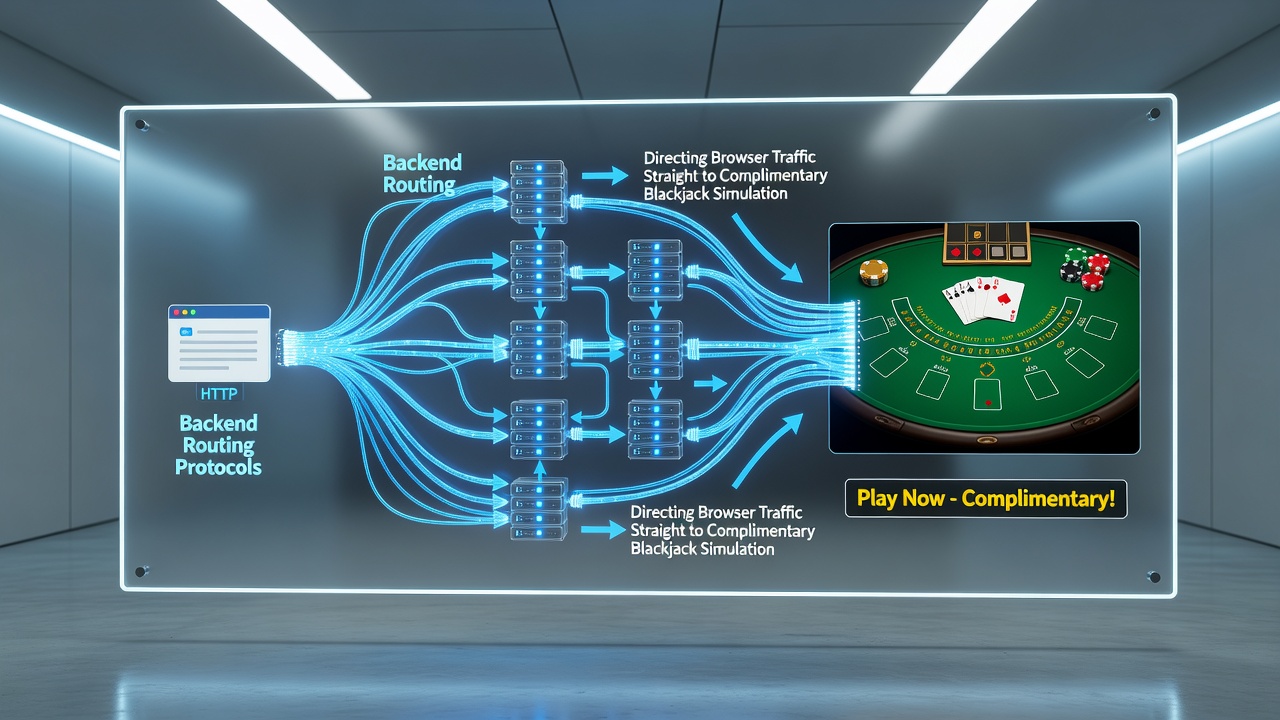
Backend routing protocols operate as the core infrastructure that manages how browser requests reach complimentary blackjack simulations across digital platforms, and these systems rely on a combination of server-side logic, load balancing algorithms, and API endpoints to handle traffic efficiently. Observers note that such frameworks have evolved significantly by July 2026, incorporating advanced techniques that prioritize low-latency delivery for practice mode interfaces while maintaining compliance with regional access standards.
Core Components of Server-Side Routing in Gaming Environments
Routing mechanisms begin with HTTP request parsing at the edge servers, where headers, cookies, and session data determine the path to appropriate simulation resources. Data indicates that protocols such as reverse proxies and content delivery networks direct users to isolated demo environments without requiring account creation or deposits. Researchers from technical institutions have documented how these layers integrate with database queries to serve randomized card sequences drawn from standard decks, ensuring each session mirrors real gameplay mechanics but operates in a no-cost mode.
Load balancers distribute incoming connections across multiple backend clusters, and this setup prevents bottlenecks during peak usage periods. According to industry reports from the Nevada Gaming Control Board, similar architectures support thousands of concurrent sessions by routing traffic based on geographic proximity and server health metrics. Those who've examined these systems find that failover protocols activate automatically when primary nodes encounter issues, redirecting flows to secondary resources within milliseconds.
Protocol Standards and Implementation Patterns
Modern implementations utilize RESTful APIs and WebSocket connections to maintain persistent links between browsers and simulation engines. Evidence suggests that path-based routing rules map specific URL structures directly to blackjack practice modules, bypassing general homepage navigation. One study revealed that containerized microservices handle individual game states, allowing independent scaling for high-traffic periods without affecting other platform features.
Security layers incorporate token validation and rate limiting to manage access volumes. Figures from the Australian Communications and Media Authority show that regulated platforms employ these controls to align with jurisdictional requirements while still providing open demo access. What's interesting is how edge computing nodes now cache common simulation assets closer to end users, reducing round-trip times for card rendering and animation sequences.
Integration with Broader Platform Architectures
Backend frameworks often connect routing logic to analytics pipelines that track user engagement metrics within demo environments. Platforms process these streams to refine path optimization rules over time. Observers note that July 2026 updates introduced enhanced support for progressive web application standards, enabling smoother transitions between desktop and mobile routing paths without separate code branches.
Database sharding techniques separate simulation data from live wagering systems, and this separation maintains clear boundaries between free practice tools and real-money operations. Experts have observed that configuration files define conditional redirects based on device type, browser capabilities, and even network conditions to optimize performance. There's this case where platforms adjusted routing weights during regional events, maintaining consistent access to blackjack simulations despite fluctuating demand.
Recent Developments and Technical Adjustments
By mid-2026, several operators incorporated machine learning models into their routing decisions to predict traffic patterns and pre-allocate resources accordingly. Reports from the Canadian Gaming Association highlight how these predictive elements reduced average connection times by measurable margins across tested networks. Routing tables now include fallback paths for regions with stricter content regulations, ensuring simulations remain available through compliant endpoints.
Developers continue to refine WebRTC integrations for real-time multiplayer demo sessions, although most complimentary blackjack tools remain single-player focused. Data from university-led web performance studies shows that optimized routing stacks handle variable packet loss better than earlier generations of server infrastructure.
Conclusion
Backend routing protocols form the invisible foundation that connects browser traffic to complimentary blackjack simulations through structured, rule-driven pathways. These systems combine established networking standards with gaming-specific optimizations to deliver consistent access across devices and regions. As platforms adapt to 2026 requirements, continued refinements in load distribution and API design support reliable delivery of practice environments while meeting operational constraints.