Algorithmic Routing Mechanisms Directing Users to Browser Practice Card Game Interfaces
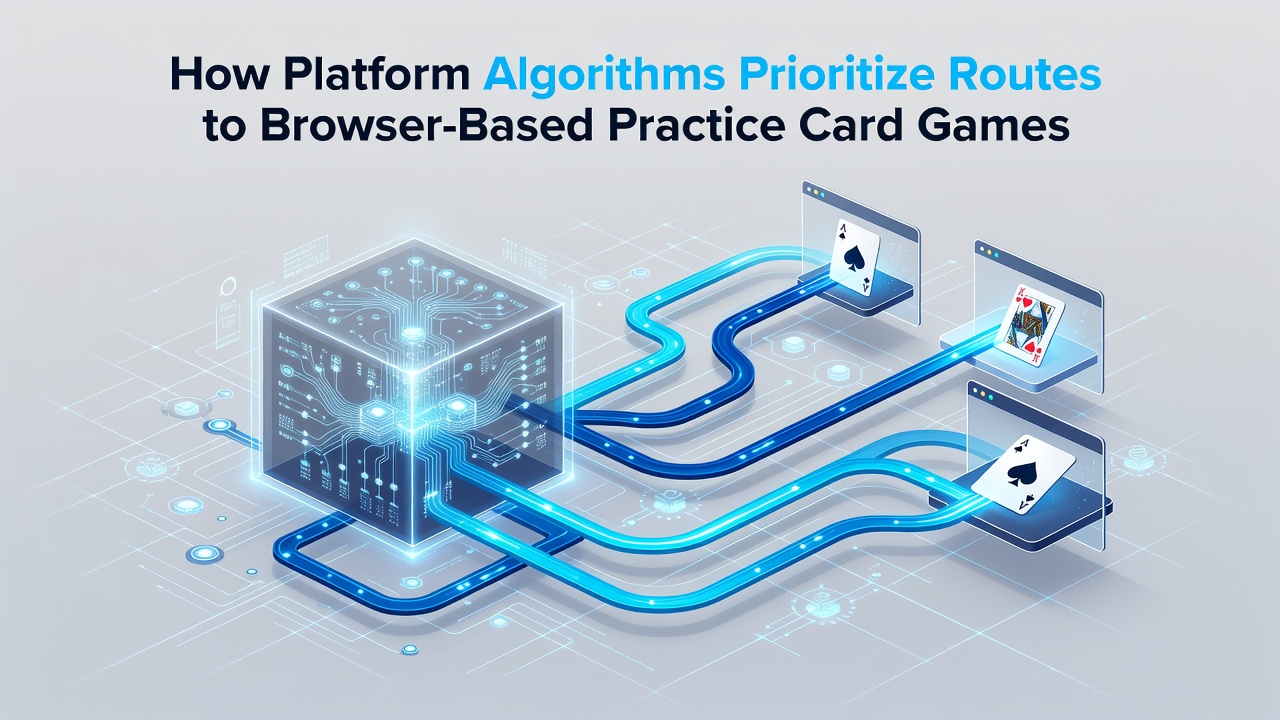
Platform algorithms process multiple data inputs to determine which browser-based practice card games receive priority placement in user interfaces, and these systems analyze search queries, session duration patterns, and device compatibility metrics to establish routing hierarchies. Data from industry reports shows that recommendation engines at major gaming networks evaluate user engagement signals within milliseconds, then surface practice modes for games like poker variants or blackjack simulations ahead of other content categories.
Data Processing Layers in Gaming Platforms
Backend systems collect behavioral data across millions of sessions, and this information feeds into machine learning models that rank content based on predicted user retention rates. Researchers at institutions such as the University of Nevada's gaming technology programs have documented how click-through rates on practice interfaces influence subsequent algorithmic adjustments, while session replay analysis reveals patterns in how new visitors navigate from homepage elements to demo sections.
Those studying platform architectures note that personalization factors play a central role, because algorithms segment audiences by geographic location, time of access, and historical interaction types before assigning priority scores to specific practice card games. In June 2026, several platforms updated their models to incorporate real-time bandwidth assessments, which shifted routing preferences toward lighter browser experiences during peak hours in regions with variable connectivity.
Ranking Factors and User Pathway Optimization
Search result positioning relies on a combination of keyword relevance scores and engagement velocity metrics, and platforms weight these elements differently depending on whether the query originates from desktop browsers or mobile applications. Evidence from technical audits indicates that practice card game entries often receive boosted visibility when algorithms detect repeat visits from the same IP ranges, creating feedback loops that reinforce certain pathways over others.
External testing conducted by the Australian Communications and Media Authority has examined how these systems comply with transparency requirements around automated decision-making in digital entertainment services, and findings reveal that platforms maintain separate ranking pipelines for free practice modes versus paid entry points. One study released by the European Gaming Institute highlighted variations in how algorithms handle regional regulations, noting that Canadian operators adjusted their prioritization logic following updates to digital content guidelines in early 2026.

Technical Implementation of Route Prioritization
Content delivery networks integrate with algorithmic decision engines to preload assets for high-priority practice interfaces, and this integration reduces load times for users routed toward specific card game demos. Observers tracking platform updates point out that A/B testing frameworks continuously evaluate different routing sequences, measuring completion rates from initial landing pages to active practice sessions.
Algorithms also factor in content freshness signals, because recently updated practice modes for card games tend to receive temporary ranking advantages as platforms test audience response. Figures from the International Association of Gaming Regulators show that operators in multiple jurisdictions track these metrics to maintain competitive positioning within browser ecosystems, and the resulting data informs adjustments to scoring formulas used across different device types.
Integration with Broader Platform Ecosystems
Third-party analytics providers supply additional inputs to these algorithms, and platforms cross-reference this external data with internal telemetry to refine route suggestions. Those examining industry practices have observed that partnerships with browser vendors sometimes influence prioritization, particularly when certain rendering engines demonstrate superior performance with practice card game interfaces.
Regulatory filings from the New Zealand Department of Internal Affairs indicate that operators must document how algorithmic choices affect access to practice environments, and these requirements have prompted development of audit trails that log ranking decisions over time. The ball remains in the court of platform developers to balance commercial objectives with user accessibility across diverse browser configurations.
Conclusion
Platform algorithms continue to evolve their methods for prioritizing routes to browser-based practice card games through layered analysis of user signals, technical performance data, and regulatory considerations. These systems shape navigation experiences by adjusting rankings in response to ongoing measurements of engagement and compliance factors. Research from varied global sources confirms that the underlying mechanisms rely on iterative testing and data integration rather than static rules, and this dynamic approach determines which practice interfaces users encounter first across different sessions and devices.